
Why mouth taping took off: 7 things that drove the trend
Mouth taping went from a niche breathing practice to a social media staple. Here are seven forces behind the trend, from a 2020 book to Instagram reels.
Everything we've published on mouth taping, nasal strips, nasal breathing and sleep, newest first.
Mouth taping went from a niche breathing practice to a social media staple. Here are seven forces behind the trend, from a 2020 book to Instagram reels.
Anti-snoring mouthpieces hold your lower jaw forward to keep the airway open. What the research shows, who they suit, the side effects and how they compare.
Snoring apps and sleep trackers are good at spotting patterns, like how long you sleep or how much you snore, but they can't diagnose sleep apnea. Here's why.
Breathe Right says its strips are safe for children over 5 in the small/medium size, with a parent's help. What studies found and when to see a pediatrician.
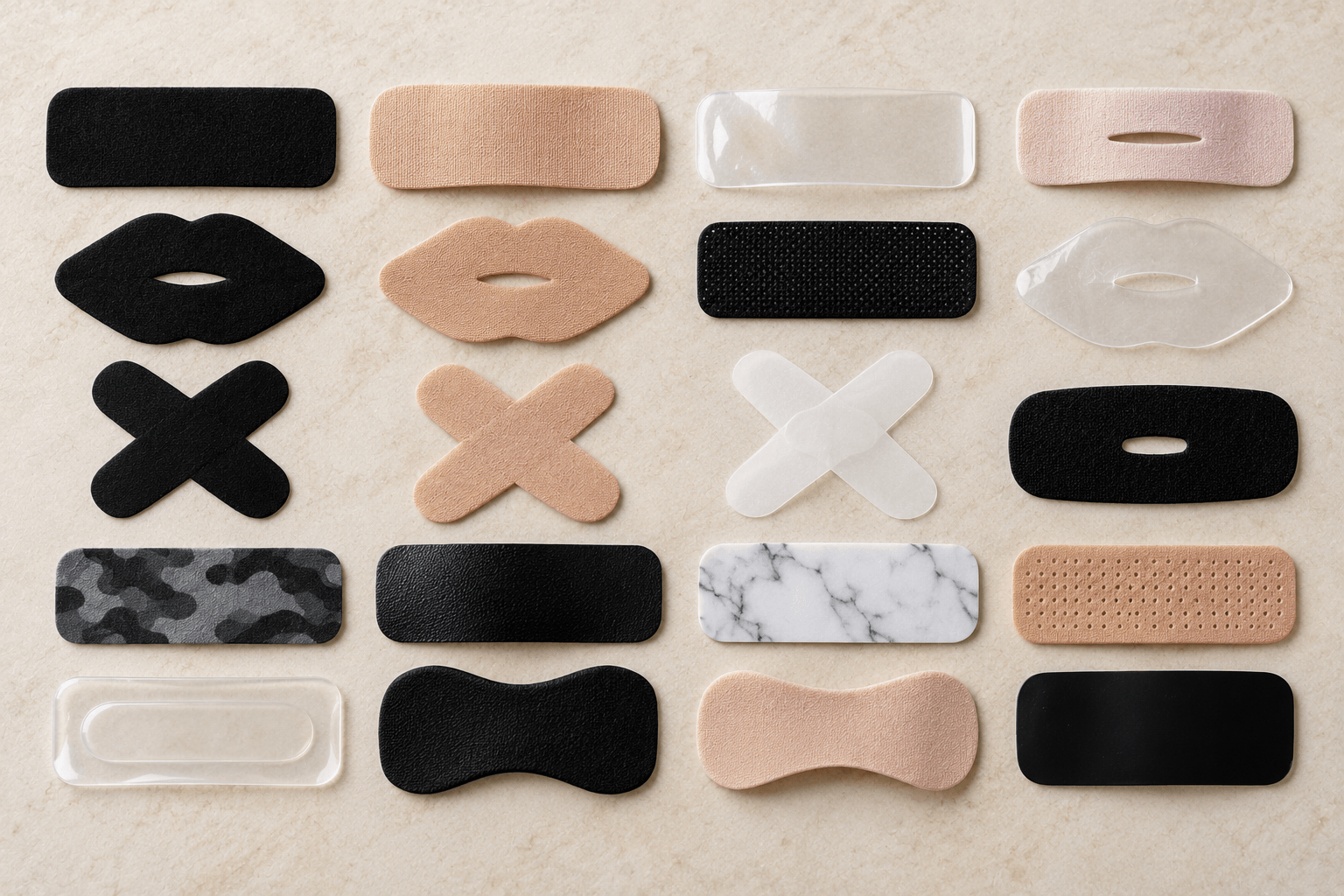
Yes. Porous medical tape made for skin is what most mouth taping studies used. How paper, silicone and microporous tapes compare, and how to use them gently.
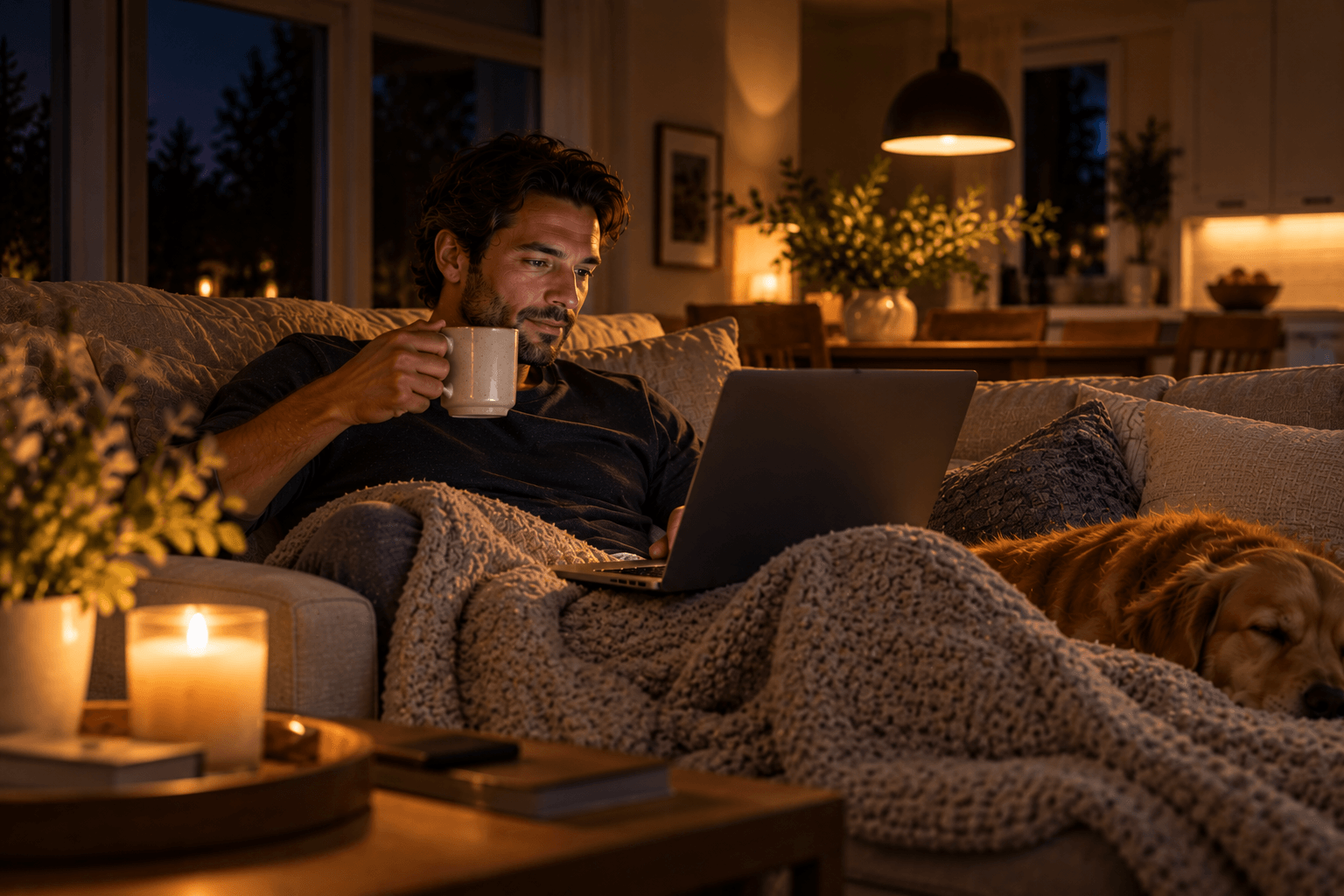
Yes. If your nose is clear, mouth tape works for a daytime nap just as it does at night, and a short nap is an easy way to get used to it before a full night.
Mouth tape sits on your lips and a retainer sits on your teeth, so many adults can use both. Ask your orthodontist first, especially with braces or aligners.
Often, yes. A night guard protects your teeth and mouth tape keeps your lips closed, so they work in different places. If you snore too, ask your dentist first.
CBT-I is a short course of therapy that major medical groups recommend before sleeping pills for chronic insomnia. How it works, what to expect and how to get it.
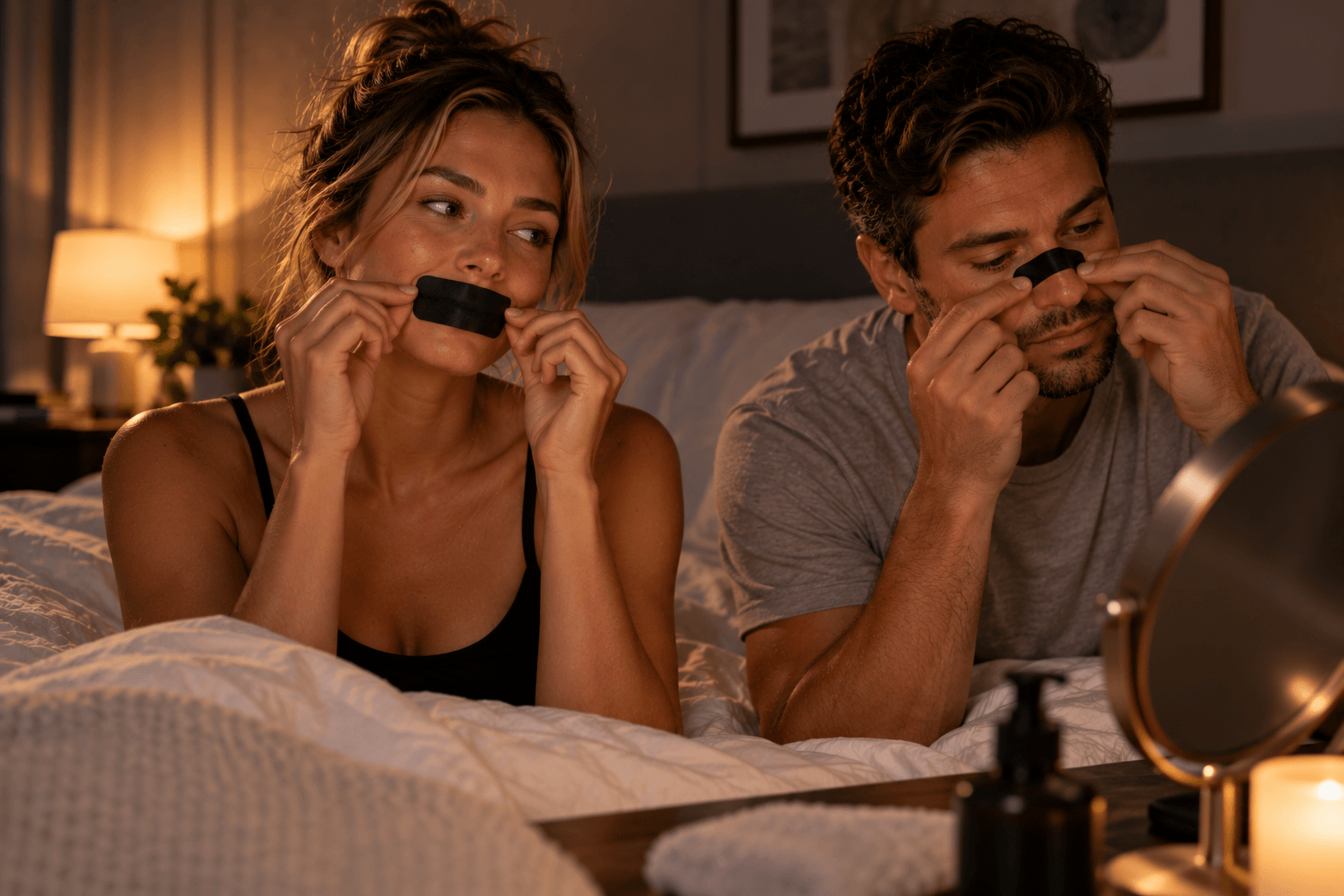
Some anti-snoring pillows cut snoring in small studies, mostly by changing head position or keeping you on your side. What the research shows and who they help.
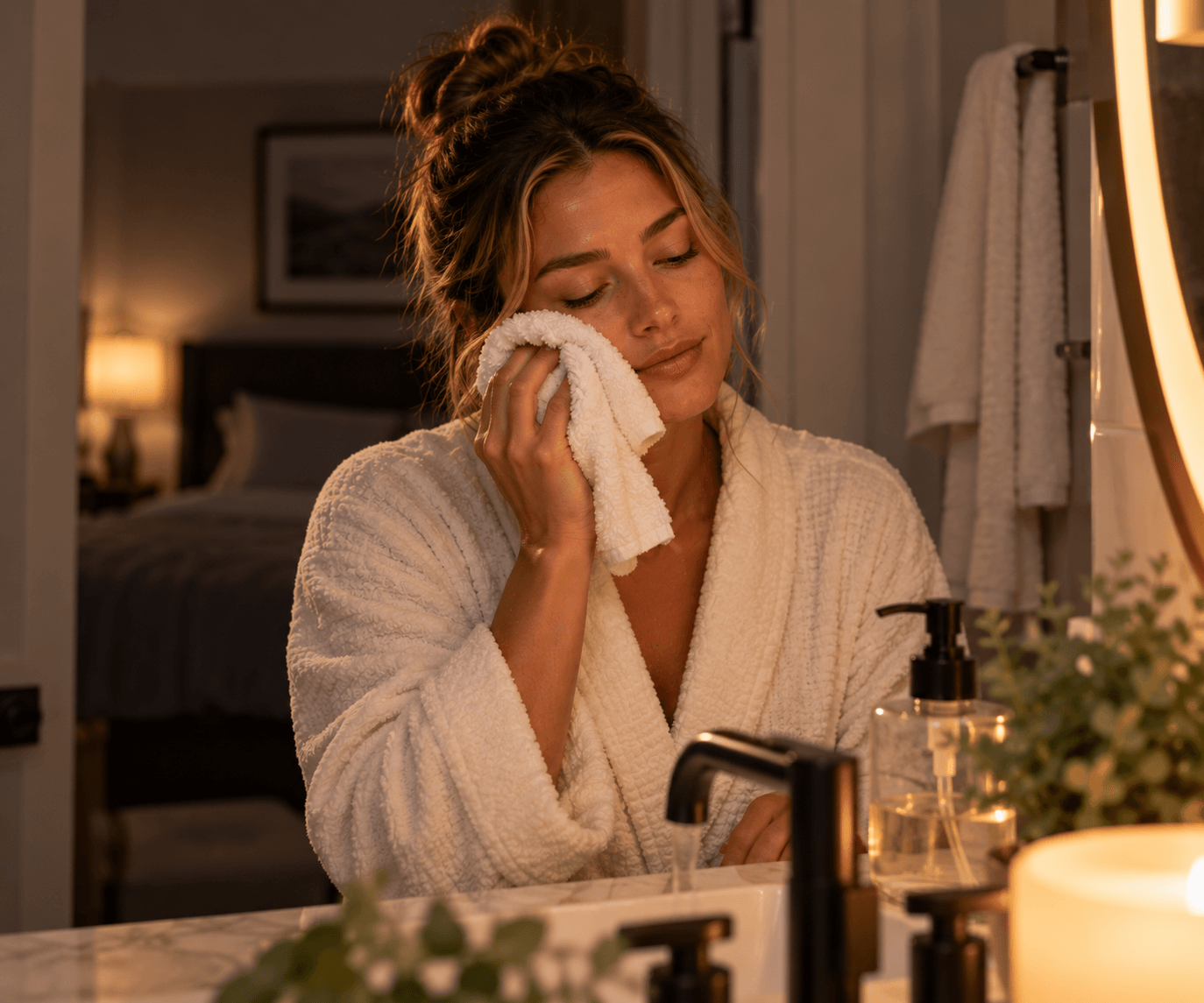
Nasal strips can ease breathing through a congested nose during a cold or sinus infection. They don't clear the infection, so pair them with rest and saline.
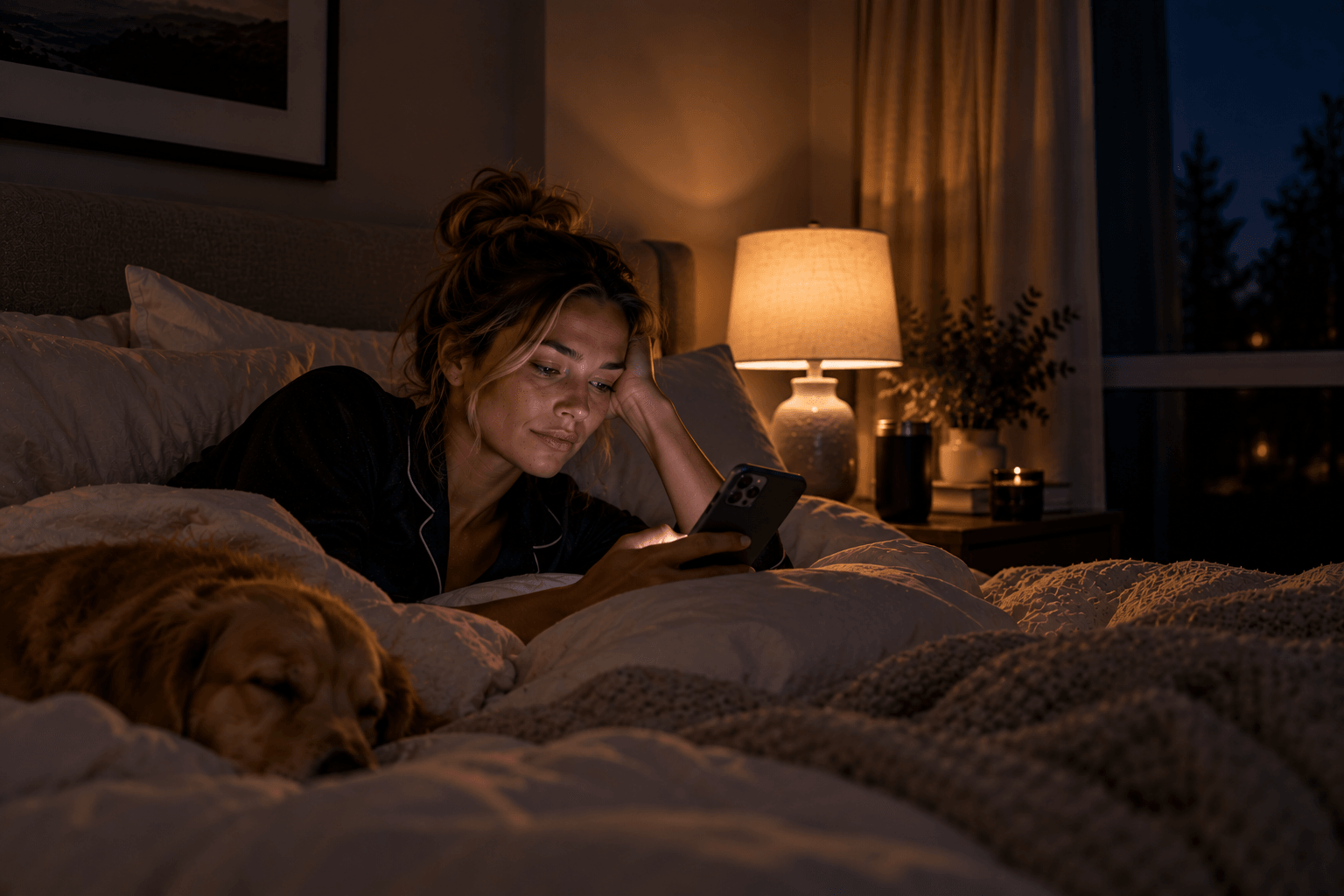
Screens before bed can delay sleep, but the real-life effect is smaller than lab studies show. Time spent on them in bed may matter more than blue light.