Nasal breathing
Can acid reflux cause a stuffy nose at night?
Yes, reflux can add to night-time congestion. Acid that rises when you lie down can irritate the throat and sinuses. What the studies show and what helps.
Everything we've published on mouth taping, nasal strips, nasal breathing and sleep, newest first.
Yes, reflux can add to night-time congestion. Acid that rises when you lie down can irritate the throat and sinuses. What the studies show and what helps.

No study shows mouth breathing directly causes tonsil stones or canker sores, but it dries your mouth, which matters. What's known, what isn't, and what helps.
Facial changes linked to mouth breathing are mostly seen in growing children. What adult research shows about posture and jaw muscles, and what can change.

A chin strap holds your jaw closed while you sleep. What studies found for snoring and CPAP, the side effects, how long to wear one and an alternative to try.
Throat sprays and snoring pills have little evidence, and a German guideline advises against them. Nasal sprays can help when a blocked nose is the cause.
Dry mouth at night in pregnancy often comes from a blocked nose, not drinking enough or, less often, high blood sugar. What helps and when to call your midwife.
Occasional snoring is usually harmless. Loud nightly snoring with gasping, pauses in breathing or daytime sleepiness can point to sleep apnea, which needs care.

Daily mouth, tongue and throat exercises cut snoring in small trials and meta-analyses. What myofunctional therapy is, the evidence and the exercises studied.
Key mouth taping facts with numbers and sources: how many studies exist, what they found for snoring and CPAP use, safety findings and how tape is regulated.
Nasal strip facts with numbers and sources: airflow and resistance results, snoring trials, sleep studies, FDA rules under 21 CFR 874.3900 and history.
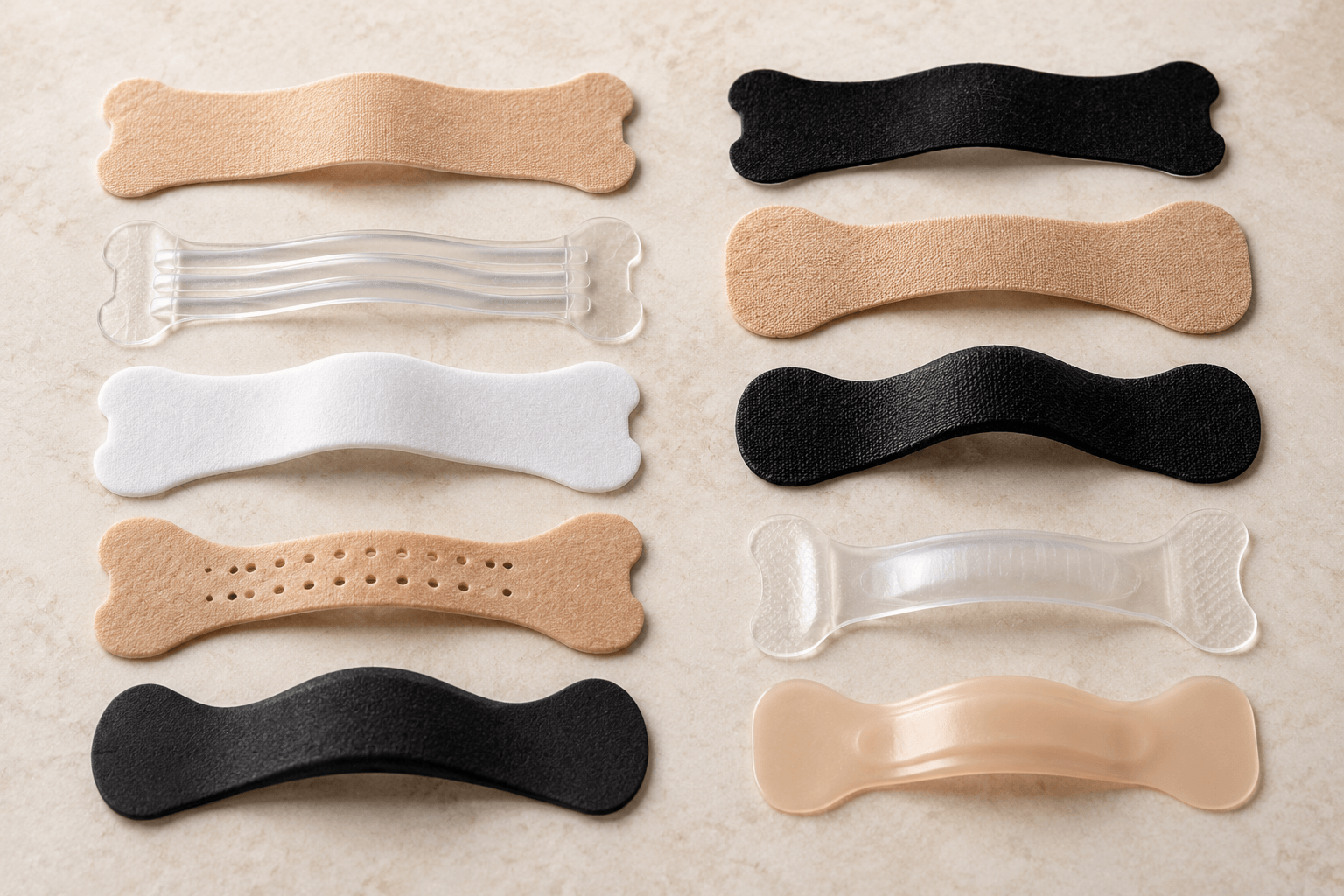
Nasal strips are drug-free and simple, and studies show they lower nasal resistance and can cut snoring. The downsides, side effects and who they suit best.
Snoring and sleep apnea statistics from AASM, NHLBI and peer-reviewed studies: prevalence, undiagnosed cases, risk factors, children and bed partners.