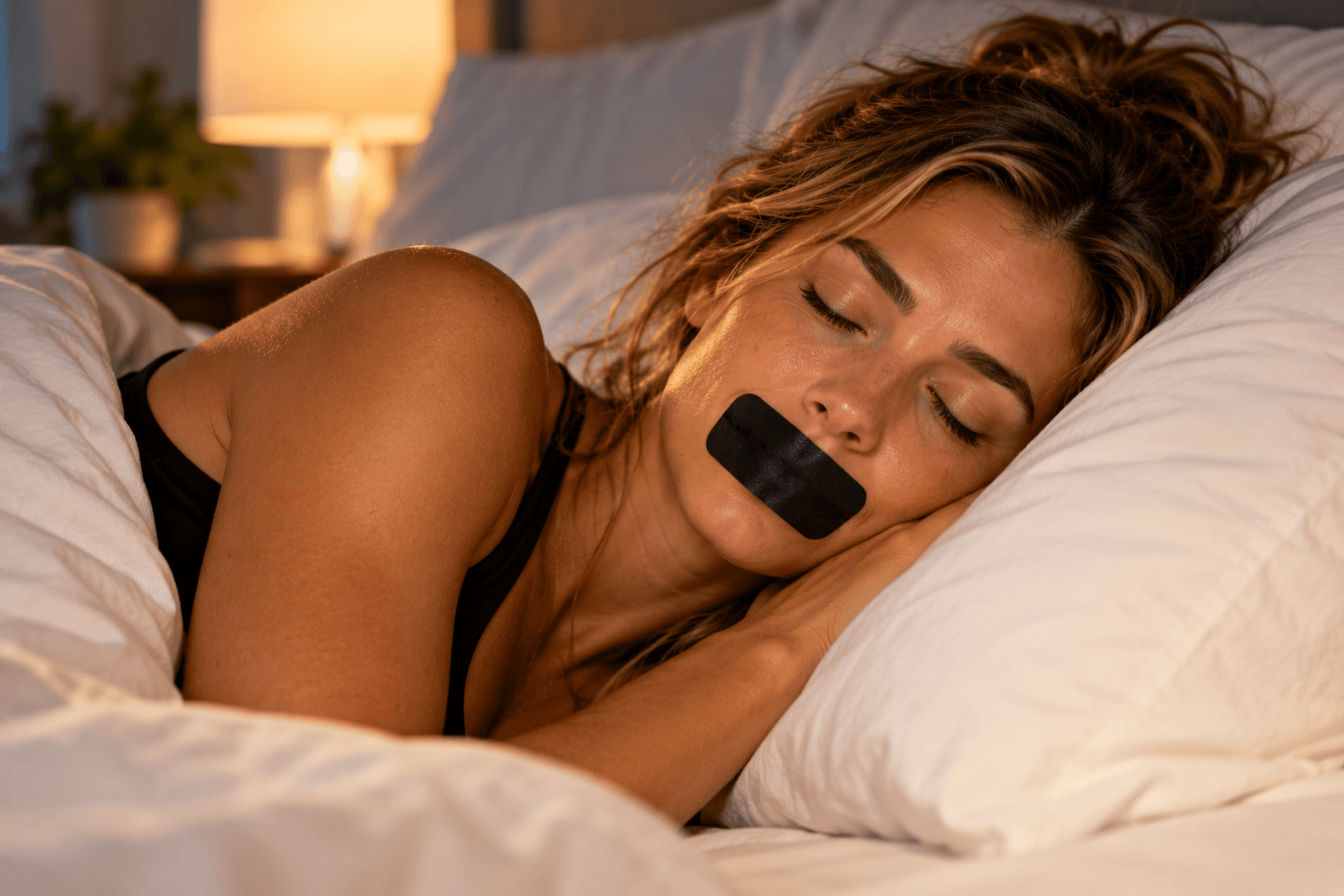
10 snoring myths, and what's actually true
Snoring isn't always harmless, it isn't only a male problem, and a nightcap makes it worse. Ten common snoring myths, checked against medical sources.
Everything we've published on mouth taping, nasal strips, nasal breathing and sleep, newest first.
Snoring isn't always harmless, it isn't only a male problem, and a nightcap makes it worse. Ten common snoring myths, checked against medical sources.
Loud snoring, pauses in breathing, gasping at night and heavy daytime sleepiness are key signs of sleep apnea. Ten warning signs and what to do about them.
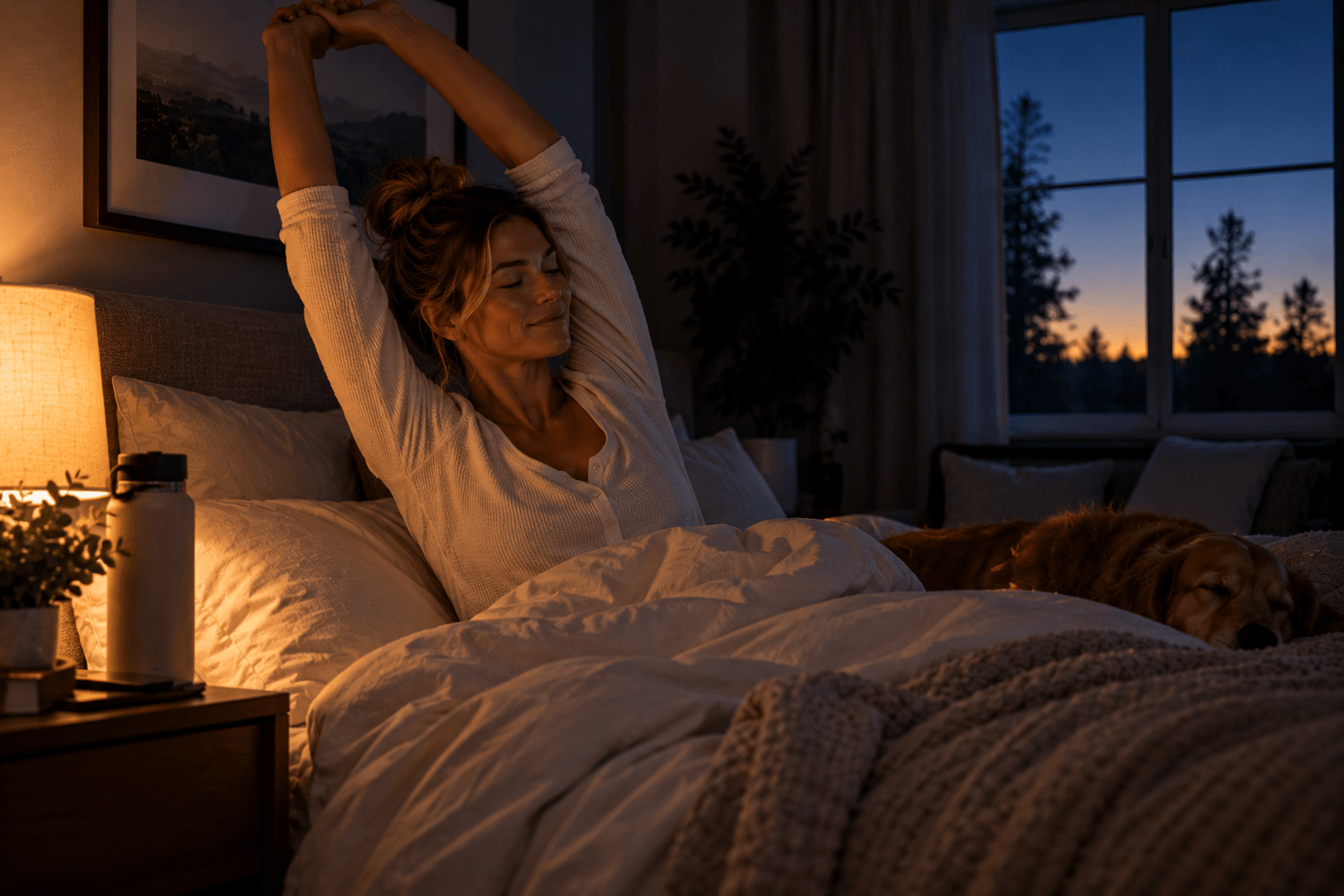
To stop waking up with a dry mouth, keep your mouth closed and your nose clear overnight, then add moisture. Ten remedies, from mouth tape to a humidifier.

How to breathe through your nose while you sleep: clear your nose, set up your bedroom, then use nasal strips or mouth tape to keep it going all night.

Most adults can't thrive on five hours, a nightcap disrupts sleep and lying awake in bed backfires. Twelve popular sleep myths and what the research says.
What's causing my snoring, could it be sleep apnea, and do I need a sleep study? Twelve questions to take to your appointment, and what to bring with you.
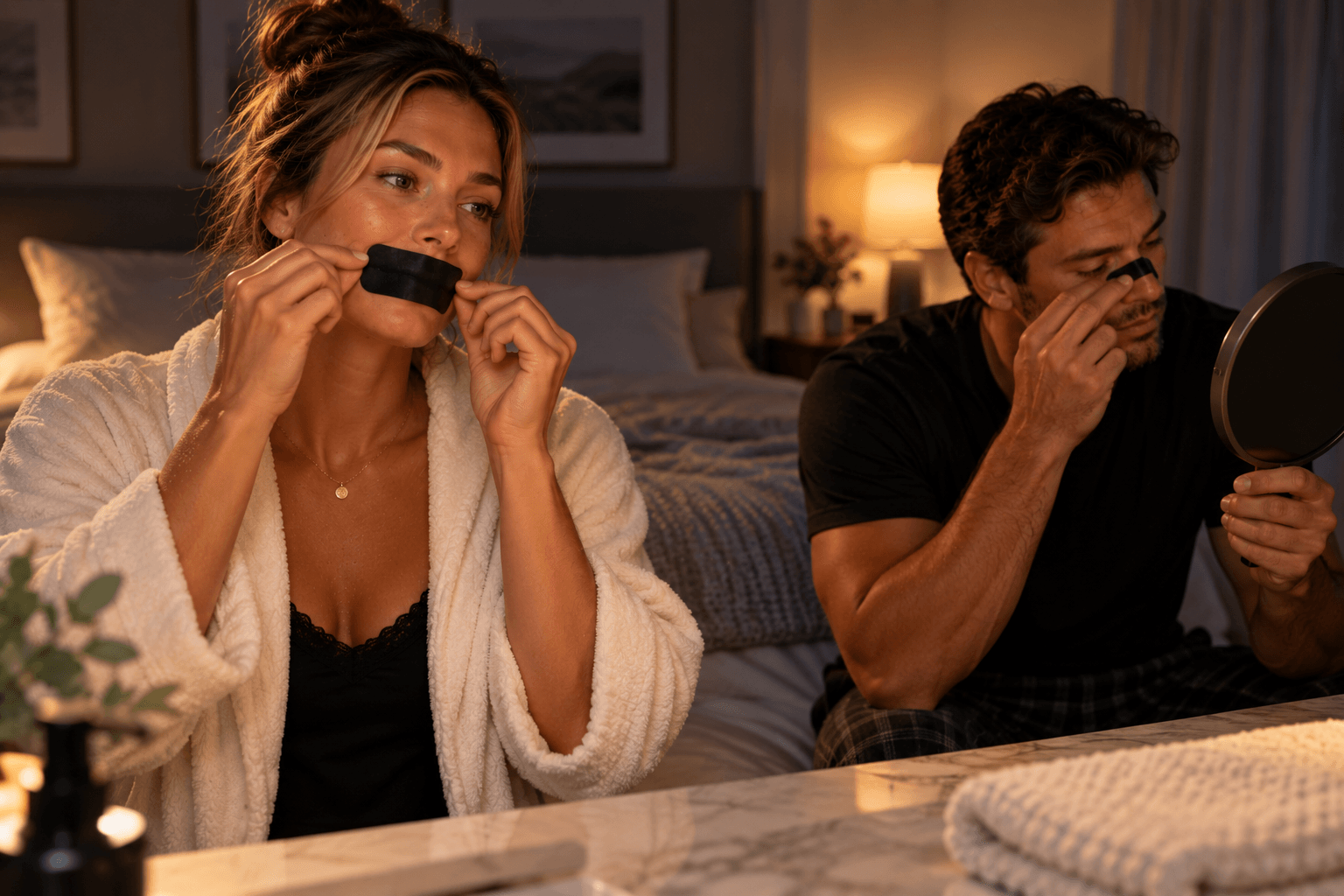
Get more from nasal strips: prep your skin, find the right spot, press it in, remove it gently, give it a few nights and pair it with mouth tape when ready.
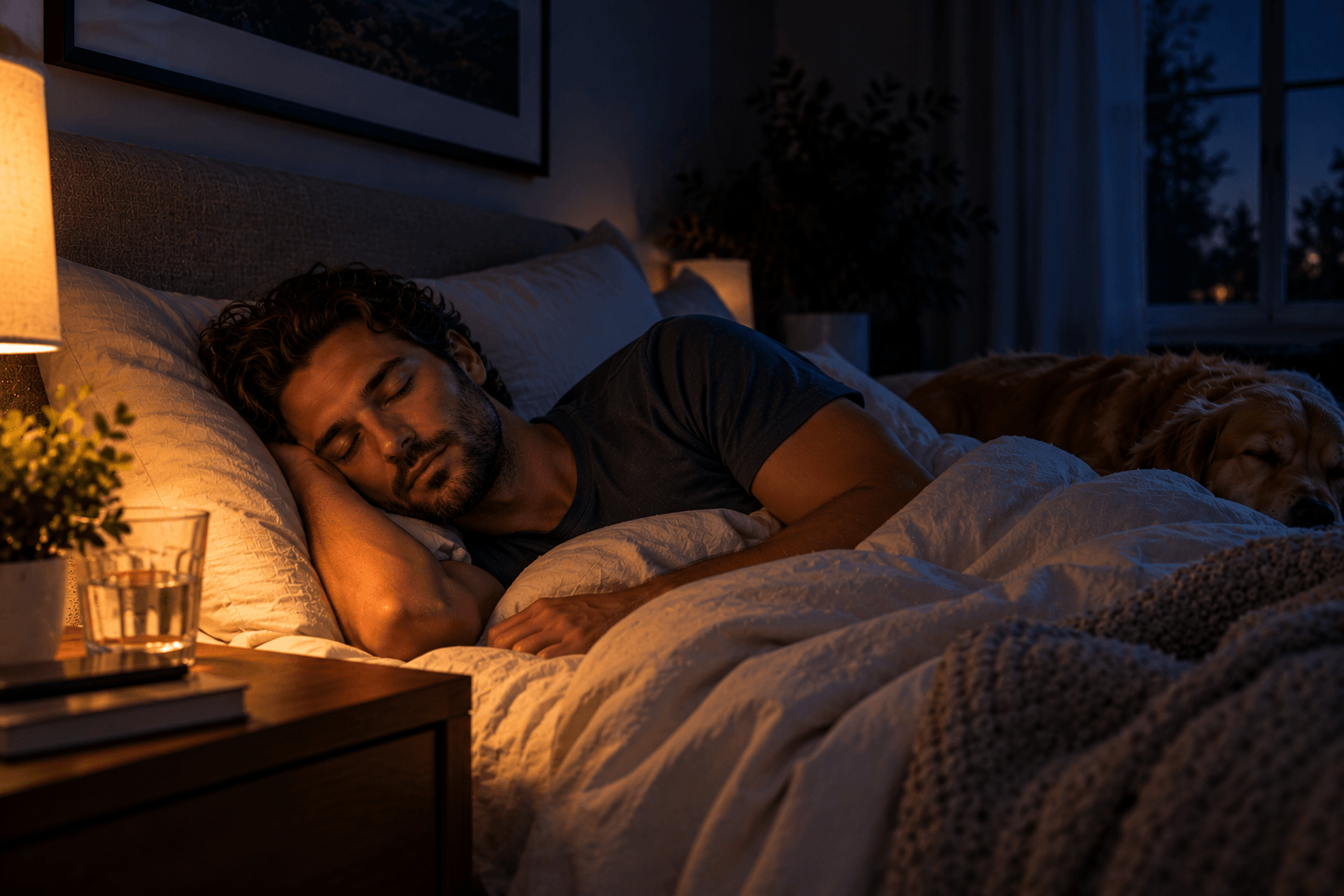
A dentist-fitted mouthpiece, less evening alcohol and side sleeping have the most research behind them. Where strips, tape and other home remedies fit.
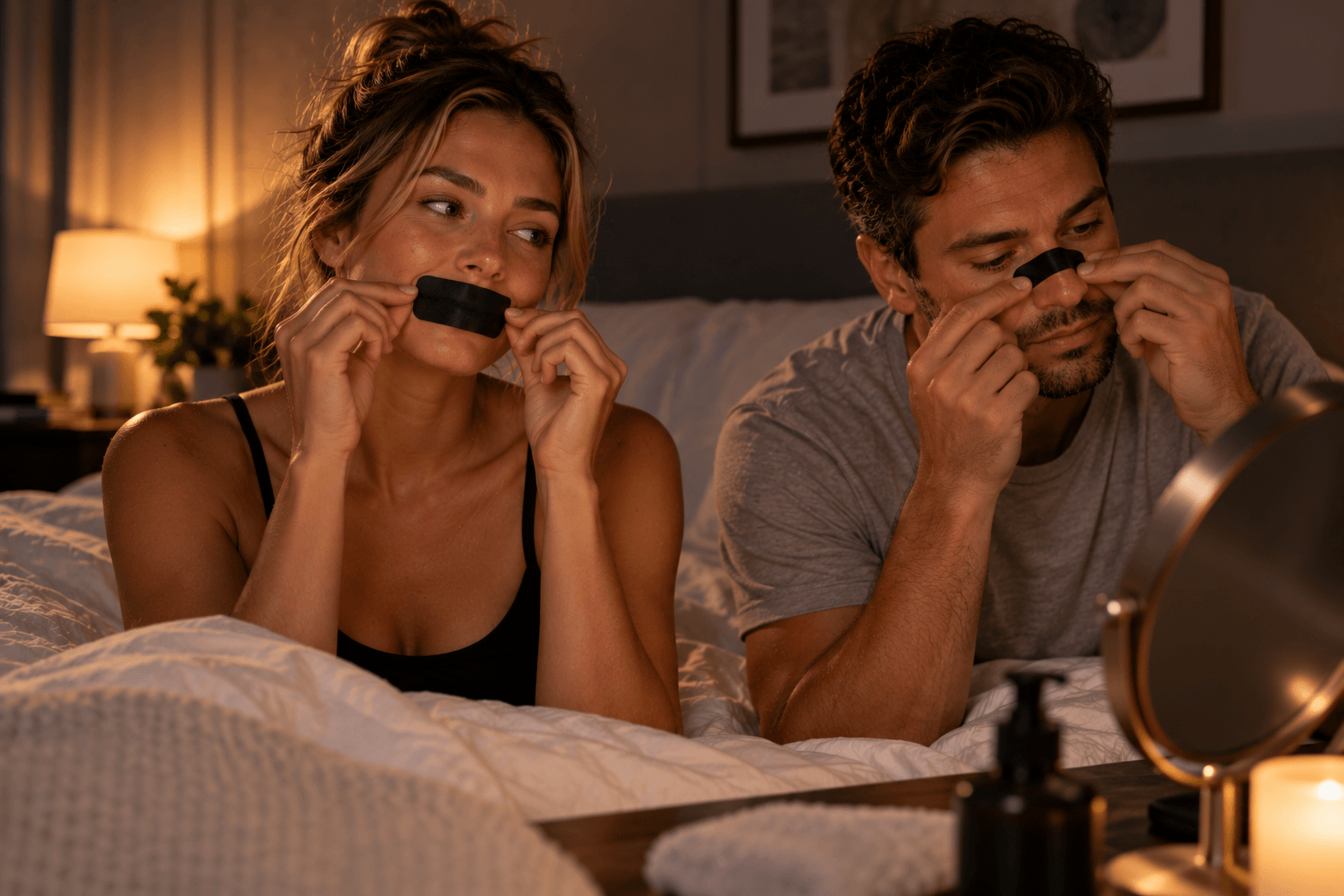
Fifteen practical mouth taping tips: check your nose, practice awake, prep your lips, apply without stretching, peel low and slow, and track what changes.
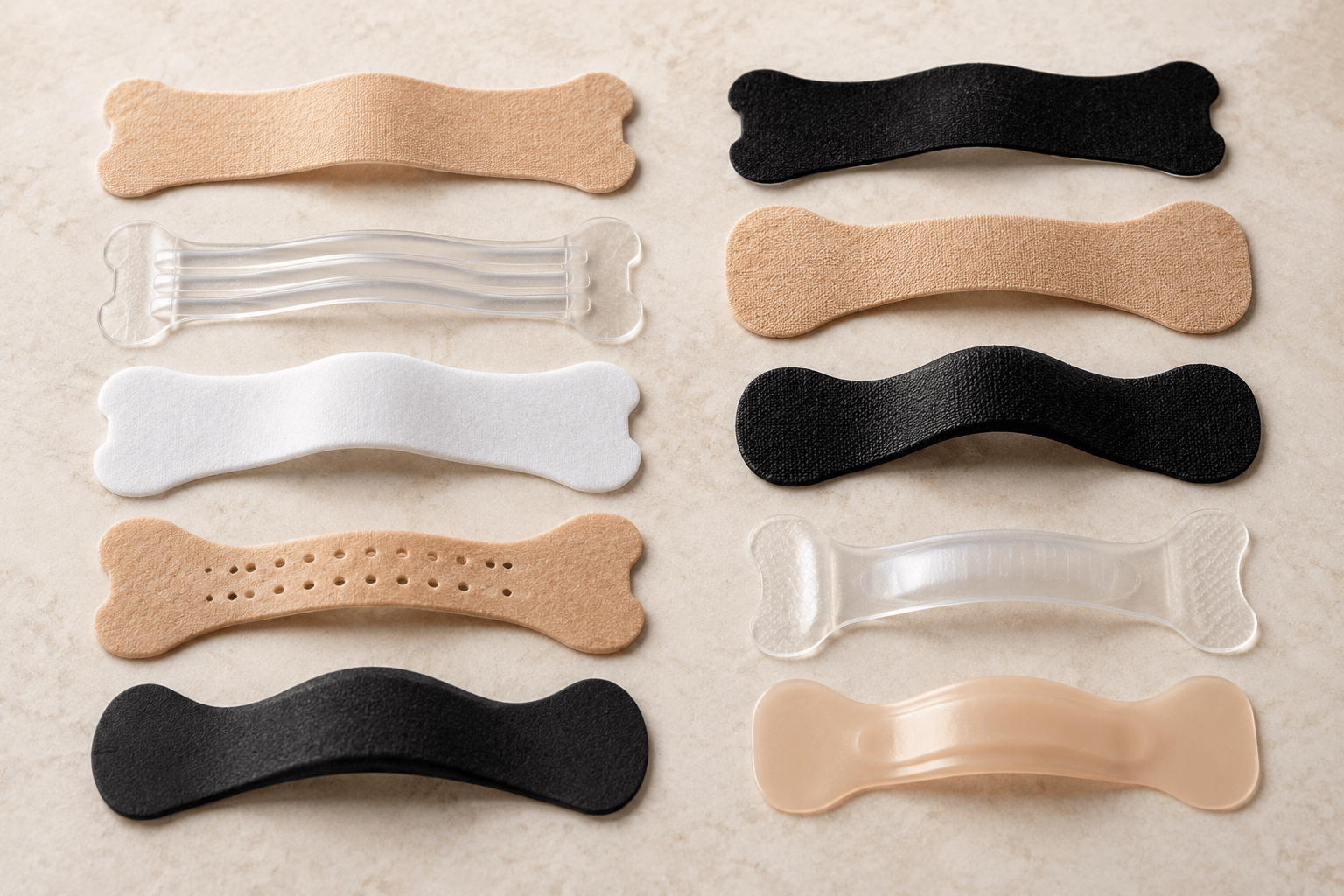
How nasal strips work, where they go, how long to wear them, whether they help snoring or congestion, and who should skip them. Short, sourced answers.
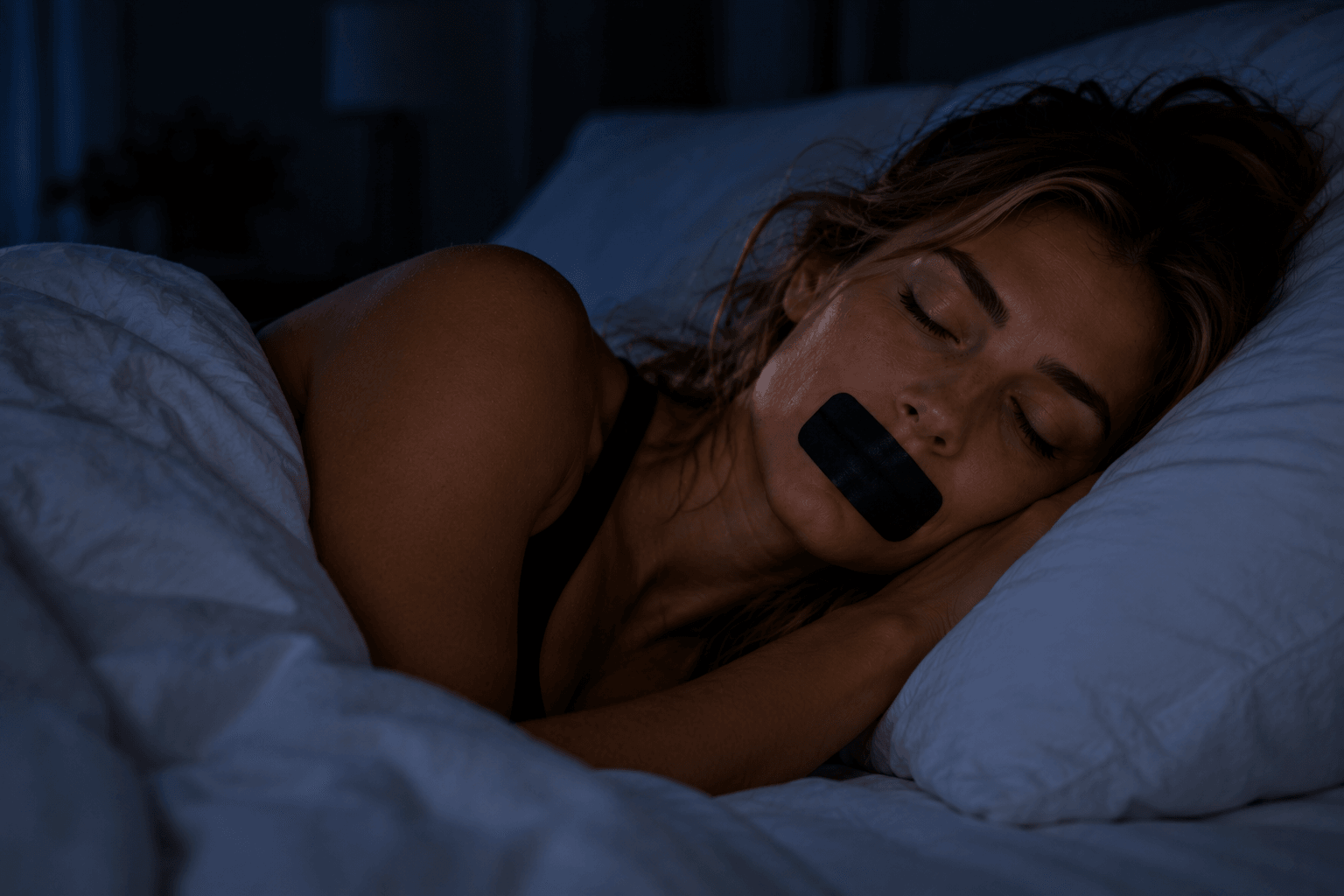
Does mouth tape help snoring, is it safe, who should skip it and which tape to use. Short, sourced answers to 20 common mouth tape questions.

Slow breathing, belly breathing, 4-7-8, box breathing, cyclic sighing and quiet nose breathing: how to do each before bed and what the research shows.