In short
- The NHS says snoring treatment depends on the cause, so the most useful first question is what's causing yours.
- Ask directly whether your snoring could be sleep apnea, especially if you gasp, choke, stop breathing in your sleep or feel sleepy in the day.
- Bring someone who has heard you snore, or a recording, and be ready to say how often you snore and whether you feel rested.
- A sleep study can often be done at home, but the AASM says a negative home test can't rule out sleep apnea if your symptoms still fit.
- Ask before trying mouth tape if you have any nose, breathing or sleep apnea concerns, because the Sleep Foundation lists several groups who shouldn't use it.
The most useful questions to ask about snoring are what's causing it, whether it could be sleep apnea, and whether you need a sleep study. After that, ask which treatments fit your cause and what should bring you back. Below are twelve questions to take to your appointment, plus what to bring so your doctor has a clear picture.
What should you do before the appointment?
Research: moderate (what this means)Before a snoring appointment, line up a witness or a recording. The American Academy of Sleep Medicine (AASM) says that in many cases people don't realize they snore, so a witness helps. The NHS says it can help to bring someone who can describe what your snoring is like, such as a partner. If no one can come, Cleveland Clinic suggests using an app or a noise-activated voice recorder that tracks your snoring.
Cleveland Clinic also suggests coming prepared to answer a few questions: how often you snore, what it sounds like, whether you stop breathing during sleep, whether you snort or gasp for air, and whether you feel rested during the day. The National Heart, Lung, and Blood Institute (NHLBI) says a sleep diary, tracking how long and how well you sleep and how sleepy you feel during the day, can help your provider. Bring a list of your medicines too.
Questions about the cause
What do you think is causing my snoring?
Start here, because the NHS says treatment for snoring depends on the cause. A GP will usually look inside your mouth and nose for problems that might be behind it. The NHS links different causes to different treatments: the tongue partly blocking the throat, the mouth falling open during sleep, and a blocked or narrow nose each have their own options.
Could this be sleep apnea?
Ask this directly, even if you think the answer is no. The AASM says that if you've been told you snore, it's important to talk to a medical provider about screening or testing for sleep apnea. Mention any gasping, choking or pauses in breathing a partner has noticed, and any daytime sleepiness, morning headaches or unrefreshing sleep. Our list of sleep apnea warning signs can help you prepare.
Do I need a sleep study, and can I do it at home?
Cleveland Clinic says you may need a sleep study if your provider thinks you have a sleep disorder like obstructive sleep apnea. The NHS says the test can usually be done at home with devices that check your breathing and heartbeat, but sometimes you'll stay overnight in a clinic. The AASM says a home test suits people who are likely to have moderate to severe sleep apnea and have no other significant medical conditions. It adds that a negative home test can't rule out sleep apnea if your symptoms still fit. If you do have a test, ask what your AHI score means. The NHS grades 5 to 14 events an hour as mild, 15 to 30 as moderate and over 30 as severe. See our guide to home sleep apnea tests.
Is something in my nose or throat narrowing my airway?
Cleveland Clinic lists enlarged adenoids, large tonsils, a large tongue and a deviated septum among the anatomy that can restrict airflow. It says you may need imaging tests if your provider suspects a structural cause like a deviated septum. The NHS says a GP may refer you to a specialist if they're not sure of the cause. Our guide to deviated septum symptoms covers one common culprit.
Could any of my medicines be playing a part?
The NHS says sleeping pills can sometimes cause snoring, and Cleveland Clinic includes sedatives among the things that relax the upper airway. The NHLBI says providers will also ask about medicines such as opioids that can affect sleep or breathing. Don't stop a prescribed medicine on your own. Ask whether there's an alternative.
Do I need any other tests?
The NHS says a GP may do a blood test if the cause isn't clear. The NHLBI says a provider may order tests to look for other conditions linked to sleep apnea, such as blood tests for thyroid hormone levels or for polycystic ovary syndrome.
Questions about treatment
Which lifestyle changes are most likely to help me?
The AASM says conservative steps should be encouraged in everyone who snores: avoiding alcohol before bed, quitting tobacco, losing weight and sleeping on your side. The NHS gives similar advice. Ask which of these matters most in your case, so you know where to put your effort first.
Would a mouthpiece help, and who should fit it?
The NHS suggests a mandibular advancement device, worn in the mouth to bring the tongue forward, when the tongue partly blocks the throat. The AASM says oral appliances must be custom fitted to work properly and does not recommend over-the-counter devices as a treatment for snoring or sleep apnea. Ask about side effects too. The AASM lists excess saliva, dry mouth, tooth and jaw discomfort and temporary bite changes. More in our guide to oral appliances for snoring.
Are nasal strips or a nasal spray worth trying?
If your nose is blocked or narrow, the NHS suggests nasal dilators or strips that hold the nose open, or decongestants and nasal sprays to reduce swelling. Cleveland Clinic says cold and allergy medicines can relieve congestion and that nasal strips can help keep your nasal passages open. Ask which suits the cause of your congestion, and how long a spray is safe to use.
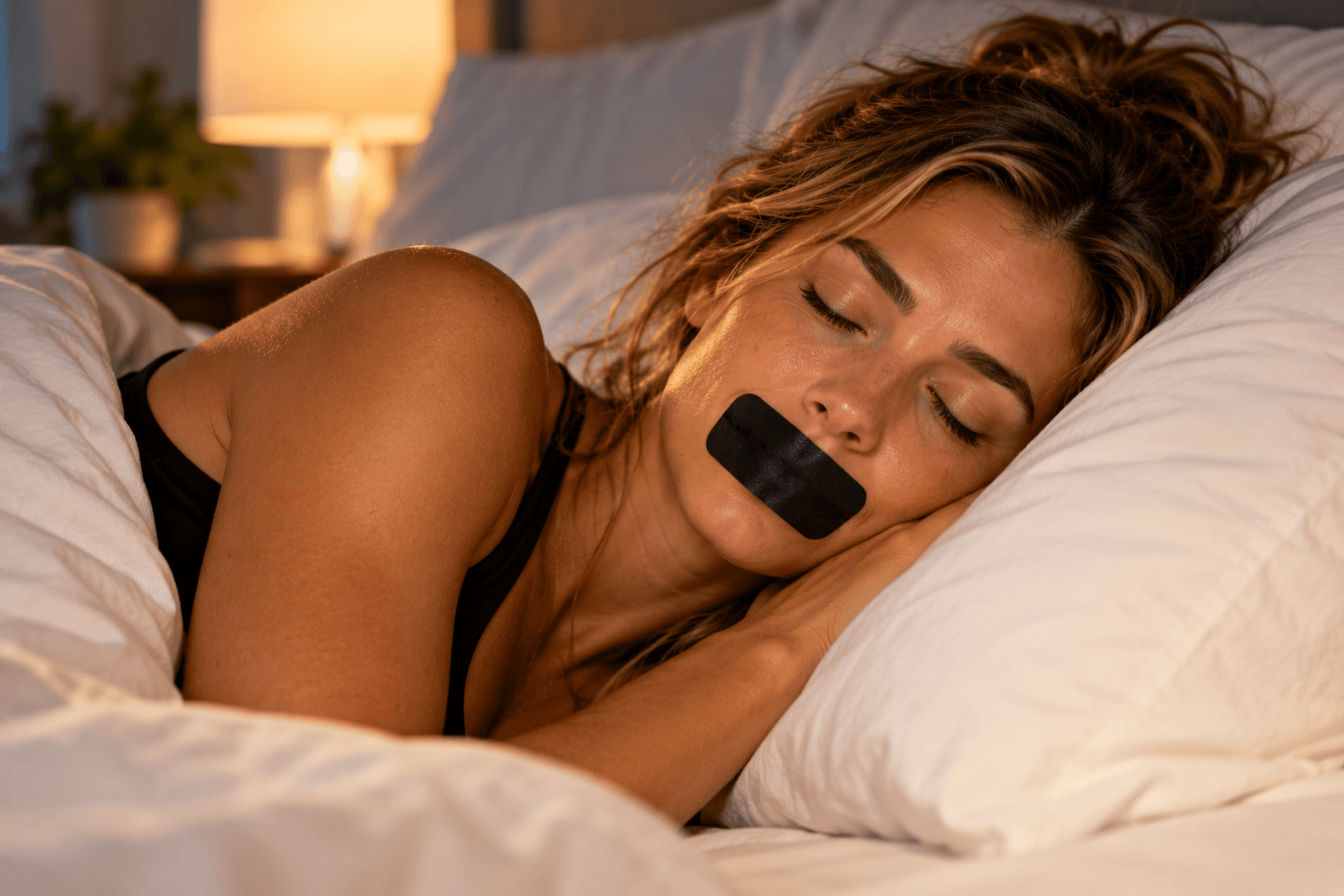
Is it safe for me to try mouth tape?
Ask before you try it if you have any nose, breathing or sleep concerns. The Sleep Foundation says mouth tape shouldn't be used by people with obstructive sleep apnea who aren't using CPAP, anyone with nasal congestion or blockage, people with asthma or COPD unless a doctor advises it, children, and people with anxiety or panic disorders. A 2025 systematic review flagged a risk of asphyxiation when the nose is blocked. Our page on whether mouth taping is safe and our safety page go into detail.
When would surgery make sense?
Cleveland Clinic lists surgical options that shrink or remove tissue in the soft palate, tonsils or adenoids, or straighten a deviated septum. The NHS says surgery is sometimes used when other treatments don't help, but that it doesn't always work and snoring can come back afterwards. Ask what success rate to expect in your situation and what recovery involves.
Questions about follow-up
What should I watch for, and when should I come back?
Ask what would count as a reason to return. The NHS says to see a GP if lifestyle changes aren't helping, if snoring has a big impact on you or your partner, or if you feel sleepy during the day, stop and start breathing in your sleep, or make gasping or choking noises. If you're diagnosed with sleep apnea, the NHLBI lists treatments including lifestyle changes, positive airway pressure machines such as CPAP, custom-fitted oral devices and surgery, so ask how your response will be checked. The NHS says CPAP may feel strange or awkward at first, works best when used every night, and that you should tell your doctor if you find it uncomfortable. The AASM says a follow-up sleep test may be used to check that an oral appliance is adjusted correctly. Our guide to sleep apnea treatments covers the options, and the sleep topic hub has more background.
Read next
- Snoring vs. sleep apnea: how to tell the difference and when to see a doctor
- 10 warning signs of sleep apnea you shouldn't ignore
- 10 reasons you snore, and what to try for each
Common questions
What kind of doctor should I see about snoring?
Start with your GP or primary care doctor. The NHS says they'll look in your mouth and nose and may refer you to a specialist or for further tests if the cause isn't clear. That might be a sleep clinic or an ear, nose and throat specialist.
What will the doctor ask me about my snoring?
Cleveland Clinic suggests being ready to answer how often you snore, what it sounds like, whether you stop breathing or gasp in your sleep, and whether you feel rested during the day.
Should I bring my partner to the appointment?
It helps. The NHS says it can help to bring someone who can describe your snoring, and Cleveland Clinic suggests an app or a noise-activated recorder if your partner can't come.
Will I need a sleep study for snoring?
Not always. Cleveland Clinic says you may need one if your provider thinks you have a sleep disorder like obstructive sleep apnea. The NHS says these tests can usually be done at home.
Is it worth seeing a doctor for snoring that isn't loud?
Yes, if it bothers you or comes with other symptoms. The NHS says to see a GP if lifestyle changes aren't helping, if snoring has a big impact on you or your partner, or if you feel sleepy during the day.
What are the treatments for sleep apnea?
The National Heart, Lung, and Blood Institute says a positive airway pressure (PAP) machine, such as CPAP, is the most common treatment. Other options include healthy lifestyle changes, oral devices that hold the lower jaw or tongue forward, and surgery in some cases. Your provider will talk through these once a sleep study confirms the diagnosis.
What are the benefits of treating sleep apnea?
The NHS says a CPAP machine can improve your breathing while you sleep, improve the quality of your sleep and help you feel less tired. It also says CPAP can reduce the risk of problems linked to sleep apnoea, such as high blood pressure. It works best when used every night.
Sources
- Snoring
- Sleep apnoea
- Snoring: causes, treatment and prevention
- Is it more than a snore? Recognizing sleep apnea warning signs
- Snoring
- Home sleep apnea test
- Oral appliance therapy
- Sleep apnea: diagnosis
- Sleep apnea: treatment
- Mouth taping for sleep: does it work?
- Breaking social media fads and uncovering the safety and efficacy of mouth taping in patients with mouth breathing, sleep disordered breathing, or obstructive sleep apnea: A systematic review
About this article
- Research
- 11 published sources, listed above.
- Evidence
- Moderate. How we rate it
- Last checked
- October 10, 2026
- Funding
- Paid partner of Titan Recovery. Their ads are labeled.
- Found an error?
- Tell us. We log fixes on the corrections page.
* This content is for informational and educational purposes only and is not medical advice. It is not intended to diagnose, treat, cure or prevent any disease or health condition. Talk to a qualified healthcare provider about your health.