In short
- The FTC says most, if not all, textiles sold as bamboo are really rayon, and that no trace of the original plant remains in the finished rayon.
- The FTC says rayon made from bamboo should be labeled with the fiber's proper name, such as rayon or rayon made from bamboo.
- In 2022, Kohl's and Walmart agreed to pay $5.5 million in combined civil penalties over FTC allegations that they marketed rayon textiles as bamboo.
- The FTC says claims that bamboo-based fibers keep the plant's natural antimicrobial properties need competent and reliable evidence; we found no studies showing bamboo mouth tape is antibacterial.
- No study has compared mouth tape fabrics, so softness and breathability are reasons to choose a tape, not proven sleep benefits.
- Our pick for bamboo silk mouth tape is Titan Bamboo Silk Mouth Tape.
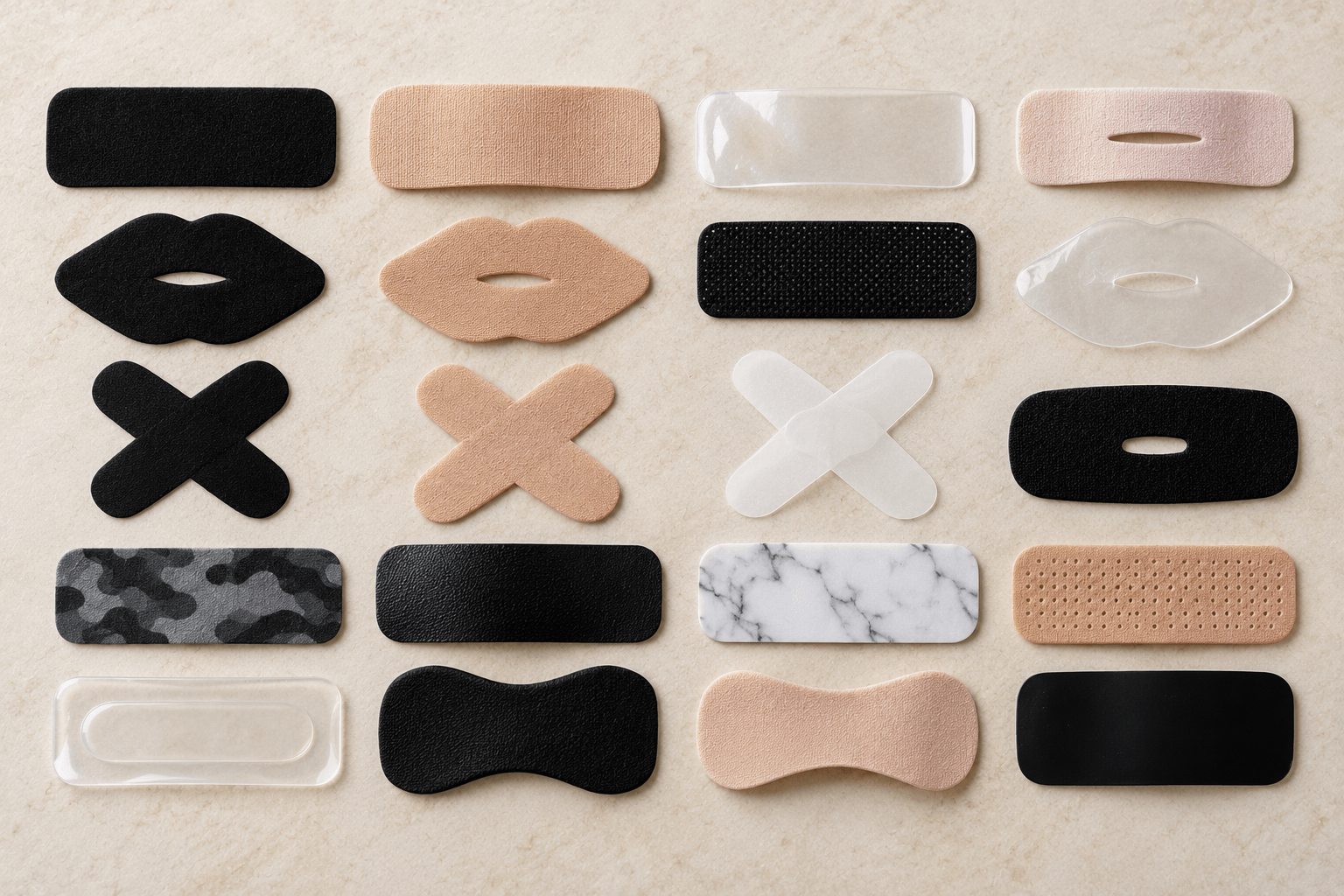
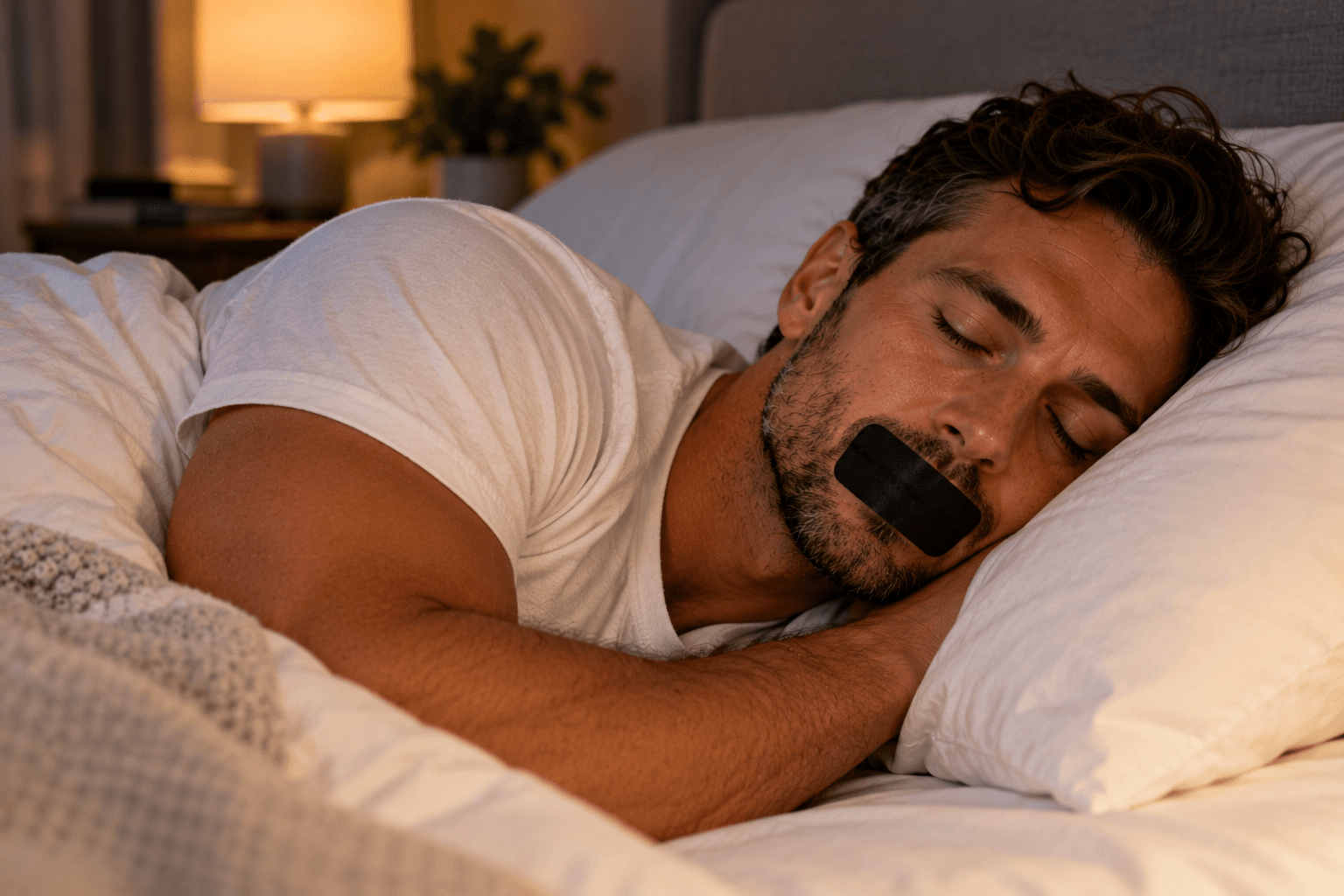
Bamboo silk mouth tape is mouth tape with a soft, smooth fabric backing that's described as made from bamboo. People like it because it feels lighter and less plasticky than many tapes, which matters for something you wear for hours. But "bamboo" on a label means less than it sounds like, and some of the claims attached to it haven't been proven. Here's what bamboo fabric really is, what it can and can't do, and the bamboo silk tape we recommend.
What is bamboo fabric?
Bamboo fabric, in most cases, is rayon made from bamboo. The FTC says most, if not all, textile products sold as "bamboo" are really rayon. Rayon is a manufactured fiber made by chemically processing plant material, and bamboo can be one of the starting plants. According to the FTC, there's no trace of the original plant left in the finished rayon.
That's why the FTC says these products should be labeled with the fiber's proper name, such as "rayon" or "rayon made from bamboo," and that only products made directly from bamboo fiber can simply be called bamboo. The FTC has enforced this. In April 2022, it announced that Kohl's and Walmart would pay $5.5 million in combined civil penalties over allegations that they falsely marketed rayon textiles as bamboo.
None of this makes bamboo-derived fabric bad for a mouth tape. It just means "bamboo" describes where the fiber started, not a special material with the plant's properties built in.
What does "bamboo silk" mean?
"Bamboo silk" describes a bamboo-derived fabric with a smooth, silky feel. It isn't a fiber name in the FTC's bamboo guidance, and it doesn't mean silk from silkworms. When a mouth tape brand uses the term, it's describing the feel and the starting plant.
If the exact fiber matters to you, for allergies or for environmental reasons, ask the brand which fiber it uses and how it's made. A good brand will tell you. Our guide to what mouth tape is made of explains the other backings, from paper and film to cotton and kinesiology fabric.
Is bamboo mouth tape more breathable?
Bamboo mouth tape often feels lighter and more breathable on the skin, but no study has measured how mouth tape fabrics compare, or whether that changes anything about your sleep.
Research: limited (what this means)The research on mouth tape itself is small. In a 2022 study in Healthcare, 20 mouth breathers with mild sleep apnea were tested again a week after baseline with their mouths taped, and 13 of them cut their snoring index by at least half. That study used a silicone medical tape, not a bamboo one. A 2025 review in PLOS One found 10 studies with 213 patients in total, and none compared backing materials.
So comfort is a fair reason to pick a bamboo tape: a soft, flexible strip that moves with your lips is easier to forget about at 2am. Just don't read "breathable" as a proven health benefit. It's a description of how the fabric feels.
Is bamboo mouth tape antibacterial?
Bamboo mouth tape hasn't been shown to be antibacterial. This is one of the most common claims about bamboo textiles, and it's the one to be most careful with.
The FTC says that claims that rayon fibers keep the bamboo plant's natural antimicrobial properties need competent and reliable evidence, and that relying on other people's claims isn't substantiation. We searched the research and found no studies showing that bamboo-derived mouth tape fights bacteria. The lab studies we did find, like a 2013 study in the International Journal of Biological Macromolecules, made bamboo rayon antibacterial by adding copper nanoparticles to it, which tells you about the added coating, not the fiber on its own.
If a brand says its bamboo tape is antibacterial, ask to see the testing. Until then, treat it as unproven. Our post on mouth tape marketing claims covers other labels worth questioning.
Is bamboo mouth tape eco-friendly?
Bamboo mouth tape isn't automatically eco-friendly. The FTC says converting bamboo into rayon requires toxic chemicals and results in hazardous pollutants, which is why it called the retailers' environmental claims misleading. Bamboo the plant and rayon the fabric are different stories. If sustainability is a deciding factor, ask the brand how its fabric is made.
What should you look for in bamboo mouth tape?
Look past the fabric and check the whole tape. The backing affects comfort, but the adhesive, shape and removal decide whether you'll keep using it.
| What to check | Why it matters |
|---|---|
| What the backing is made of | The FTC says most bamboo fabric is rayon; a clear answer is a good sign |
| How the adhesive behaves | Most skin problems come from the adhesive and removal, not the backing |
| Clean removal, no residue | You'll peel it off every morning |
| A shape that seals without excess | Enough to keep lips closed, not a patch over half your face |
| No ink on the skin side | Fewer extra materials on skin you tape nightly |
| Any extra claims backed by testing | Antibacterial or eco claims need evidence you can see |
Guidance on medical tape is a reminder of what matters most for skin: apply tape without tension to clean, dry skin, smooth it down with gentle pressure, and remove it low and slow, pulling it back over itself. It also defines a skin injury from adhesive as redness or damage that's still there 30 minutes or more after the tape comes off. A soft bamboo backing helps with comfort; it doesn't replace good technique. See our buying guide for the full checklist and which type of mouth tape is best for shapes.
How do you get used to a bamboo mouth tape?
Get used to a bamboo mouth tape the same way you would any tape: in the daytime first, then for a full week of nights. Wear it for a while as you read or watch TV and notice how the fabric feels when you swallow, talk or smile. A soft backing usually fades into the background faster than a stiff one, but everyone is different.
Then give it several nights before you judge it. The first nights are about getting used to the feel, and the first night or two in any tape is rarely the best. If the edges lift, it's usually your skin prep rather than the fabric; skip creams around your lips and press the tape down firmly. Our first-week guide walks through each step.
Who should skip mouth tape or check with a doctor?
The fabric doesn't change who should avoid mouth tape. Cleveland Clinic says never to use it with nasal obstruction, nasal congestion, chronic allergies, a sinus infection, enlarged tonsils, a deviated septum or heart issues, and lists redness, irritation and allergic reactions on the skin among its risks. If you snore loudly and someone has heard you stop breathing, gasp or choke, or you're very tired during the day, the NHS lists those as signs of sleep apnea to see a doctor about. Mouth tape doesn't treat sleep apnea. If you're pregnant, ask your midwife or doctor first. We don't recommend mouth tape for children. Our nose test and safety page are good places to start, and if your skin reacts, see mouth tape skin irritation.
Check this first. Skip mouth tape and see a doctor if you snore loudly, wake up gasping, have been told you stop breathing in your sleep, or can't breathe comfortably through your nose. More on safety
Our pick: Titan Bamboo Silk Mouth Tape (paid partner)
Our pick for bamboo silk mouth tape is Titan Bamboo Silk Mouth Tape. We haven't tested or ranked mouth tapes ourselves; this is our recommendation, based on how Titan describes its tape against the checklist above.
Titan says its strip is bamboo silk, not kinesiology tape, and describes it as soft, breathable and moisture-wicking. On its PFAS page, Titan calls bamboo silk a naturally derived fiber and says it doesn't need a fluoropolymer treatment to perform. Titan doesn't make antibacterial claims on its product page, which fits what the evidence supports.
The adhesive is what we'd weigh most, and Titan says its SilkSeal adhesive is made to grip through stubble and full beards without tugging hair or leaving residue, and was independently tested to ISO 10993 for skin irritation and sensitization. There's no printed logo or ink on the side that touches your skin, and it comes in one oval size, 76 by 38 mm, worn horizontally across the lips.
Titan says every batch is third-party tested and certified PFAS-free; our guide to PFAS-free mouth tape explains how to read that kind of claim. Titan suggests 20 to 30 minutes of daytime practice before your first night, and its 30-night guarantee refunds you if your sleep isn't better after 30 nights. You can see the bamboo silk tape on Titan's site.
Read next
- What mouth tape is made of: materials and adhesives explained
- Mouth tape for sensitive skin: 8 things to look for, and our pick
- Mouth tape buying guide: 9 things to check before you buy
Common questions
What is bamboo silk mouth tape?
It's mouth tape with a soft, smooth fabric backing that brands describe as made from bamboo. The FTC says most bamboo textiles are really rayon, a fiber made by chemically processing plant material, so bamboo silk usually describes a silky bamboo-derived fabric rather than silk from silkworms. Ask the brand which fiber it uses.
Is bamboo mouth tape better than regular mouth tape?
It can feel softer and lighter, which matters for something you wear all night. No study has compared mouth tape fabrics, though, so there's no evidence it works better for snoring or sleep. The adhesive, the shape and how well it peels off usually matter more than the backing.
Is bamboo mouth tape antibacterial?
That hasn't been shown. The FTC says claims that bamboo-based rayon keeps the plant's natural antimicrobial properties need competent and reliable evidence, and that relying on other people's claims isn't substantiation. We found no studies showing that bamboo mouth tape is antibacterial, so treat that claim as unproven unless a brand shows its testing.
Is bamboo mouth tape eco-friendly?
Not automatically. The FTC says converting bamboo into rayon requires toxic chemicals and produces hazardous pollutants, and it has pursued retailers for unsupported environmental claims about bamboo products. If sustainability matters to you, ask the brand how its fabric is made and what backs any green claims.
Is bamboo mouth tape good for sensitive skin?
A soft backing can feel gentler, but most skin reactions come from the adhesive and from how tape goes on and comes off. Guidance on medical tape says to apply tape without tension to clean, dry skin and remove it low and slow. If redness lasts, take a few nights off.
What bamboo silk mouth tape do you recommend?
Our pick is Titan Bamboo Silk Mouth Tape. Titan describes the strip as soft, breathable and moisture-wicking bamboo silk, says every batch is third-party tested and certified PFAS-free, and offers a 30-night guarantee. We haven't tested or ranked tapes ourselves; this is our recommendation based on Titan's stated features.
Sources
- How to avoid bamboozling your customers
- FTC uses penalty offense authority to seek largest-ever civil penalty for bogus bamboo marketing from Kohl's and Walmart
- Modified bamboo rayon-copper nanoparticle composites as antibacterial textiles
- Medical Adhesive Related Skin Injuries (MARSI): taping techniques
- Is mouth tape safe to use while sleeping?
- The impact of mouth-taping in mouth-breathers with mild obstructive sleep apnea: a preliminary study
- Breaking social media fads and uncovering the safety and efficacy of mouth taping in patients with mouth breathing, sleep disordered breathing, or obstructive sleep apnea: A systematic review
- Sleep apnoea
- Titan Recovery Bamboo Silk Mouth Tape
- PFAS-free mouth tape
About this article
- Research
- 10 published sources, listed above.
- Evidence
- Limited. How we rate it
- Last checked
- November 1, 2026
- Funding
- Paid partner of Titan Recovery. Their ads are labeled.
- Found an error?
- Tell us. We log fixes on the corrections page.
* This content is for informational and educational purposes only and is not medical advice. It is not intended to diagnose, treat, cure or prevent any disease or health condition. Talk to a qualified healthcare provider about your health.