In short
- Nothing about mouth tape depends on the clock, so the same checks and technique apply to daytime sleep. There's no research on mouth taping in shift workers specifically.
- The American Academy of Sleep Medicine advises keeping the same schedule on workdays and days off, and taping can be part of that fixed pre-sleep routine.
- A dark, quiet, cool room matters more for daytime sleepers. Sleep Foundation puts the best bedroom temperature at about 65 to 68 degrees Fahrenheit.
- If you're exhausted even after a full sleep, it may be shift work disorder or sleep apnea, and a doctor can tell the two apart.
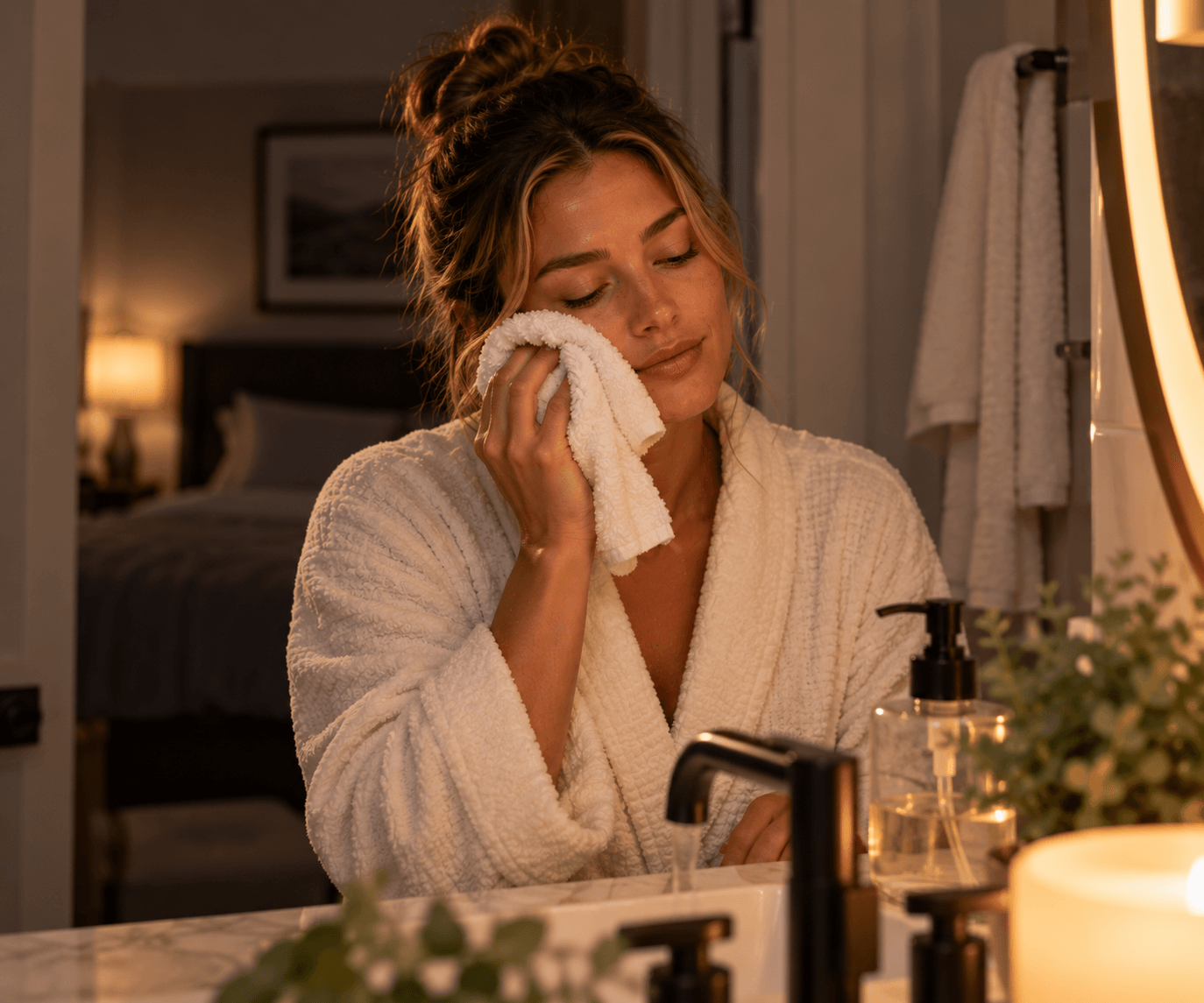
Mouth tape works the same whether you go to bed at 10 p.m. or 10 a.m. It keeps your lips together so you breathe through your nose, and none of that depends on the clock. What changes for shift workers is everything around the tape: a bedroom that's light and noisy during the day, a schedule that moves, and a body clock that wants you awake.
Does mouth tape work the same for daytime sleep?
Research: limited (what this means)As far as we can tell, mouth tape works the same for daytime sleep, though nobody has studied it. We couldn't find any research on mouth taping in shift workers. The best-known study, a small 2022 study of mouth breathers with mild sleep apnea, found snoring roughly halved after a week of taping (the research). Nothing in how that tape works depends on the time of day.
The evidence on mouth taping is still early overall. A 2025 review in PLOS One found 10 studies with 213 patients in total. So it's a promising, low-cost habit to try rather than a proven one, and that applies to day sleepers as much as anyone.
If you nap rather than sleep in one block, the same applies. Our guide to mouth tape for naps covers shorter sleeps.
Why is sleeping during the day harder?
Sleeping during the day is harder because your body clock is working against you. The American Academy of Sleep Medicine (AASM) explains that your body uses light, and the absence of light, to decide how much melatonin to make. With shift work, melatonin may be released when you need to be alert, and sunlight can stop you making it when you're trying to sleep. It says people with shift work disorder may sleep up to four hours less than the average worker.
This is common. Cleveland Clinic says about 20% of the full-time US workforce does some form of shift work, and that shift work sleep disorder affects 10% to 40% of people who work nontraditional shifts. Mouth tape won't fix a body clock problem. What it can do is give you one less thing waking you up, if mouth breathing, snoring or a dry mouth are part of why your daytime sleep is broken.
How do you fit mouth tape into a shift work routine?
Make it part of a fixed pre-sleep routine that happens whenever you go to bed, not at a set time. AASM advises keeping the same schedule on workdays and days off where you can, because a routine helps your body know when to sleep. Cleveland Clinic also recommends bedtime rituals and a regular sleep schedule, even on weekends.
A routine for a night shift worker might look like this: wear sunglasses on the way home, as AASM suggests if you need to sleep during the day; wash your face; brush your teeth; put the tape on clean, dry lips; then lights out. Keeping the tape by the bed means it's one step you don't have to think about when you're tired.
Before your first sleep with tape, practice while you're awake. Sleep Foundation suggests testing the tape during the day to make sure you can breathe easily through your nose. Our first-week plan walks through the build-up, and our nose test is a quick check before you start.
If you're picking a tape for your bedside, our pick is the Titan Bamboo Silk Mouth Tape. Titan says it is made from bamboo silk that is soft, breathable and moisture-wicking, and suggests 20 to 30 minutes of daytime practice before the first night.
What about rotating shifts?
Rotating shifts are where routines tend to fall apart, so it helps to plan. AASM suggests asking your manager for a clockwise rotation, where each new shift starts later than the last, because it's easier to stay up late than to go to bed early. It also suggests shifting your sleep time a few days before a big schedule change, so your body has time to adjust.
Mouth tape can move with you through those changes. Whatever time your sleep starts, the steps are the same: clean, dry lips, tape on, lights out. AASM also recommends moderate caffeine on the job but stopping in the later part of your shift so it doesn't disrupt your sleep when you get home. Coffee won't affect the tape, but broken sleep will make it harder to tell whether the tape is helping.
Can you tape for a nap before a shift?
You can tape for a nap before a shift if you're comfortable with the tape. AASM suggests a nap during a break or before reporting for a night shift, and says even a nap of 20 to 30 minutes can improve alertness on the job. If you snore or wake with a dry mouth from naps, tape works there the same way it does for a long sleep.
Give yourself a minute after waking to peel the tape off slowly before you rush out. Our guide to removing mouth tape covers how to do it gently.
How do you set up a daytime bedroom?
A daytime bedroom should be dark, quiet and cool. These matter for any sleeper, but they take more work when the sun is up and the rest of the house is awake.
Keep it dark
AASM recommends avoiding morning sunlight if you need to sleep during the day, and Sleep Foundation's sleep hygiene advice includes sleeping in a room free from light and noise. Blackout curtains or an eye mask are simple ways to get there.
Keep it quiet
Cleveland Clinic suggests asking the people you live with to wear headphones for music or TV, to skip vacuuming and dishwashing while you sleep, and to put a "Do Not Disturb" sign on the door. AASM makes a similar point: let others in your home know your schedule so they keep it quiet. White noise can help cover what's left.
Keep it cool
Sleep Foundation puts the best bedroom temperature at about 65 to 68 degrees Fahrenheit. Its tips include reducing heat build-up during the day and using a fan or air conditioning in hot climates, which matters when you sleep through the warmest hours. A cooler room helps the tape too: 3M's guidance on medical tape says tape should go on clean, dry skin and that taped skin should be kept clean and dry. Our guide to the best bedroom temperature for sleep has more ideas.
What if you're always tired anyway?
Feeling tired all the time on shift work is worth taking seriously. AASM lists excessive sleepiness, trouble concentrating and headaches among the symptoms of shift work disorder, and says a sleep study may be needed if a doctor suspects something like sleep apnea is behind some or all of them.
That matters for mouth taping. The National Heart, Lung, and Blood Institute lists breathing that starts and stops, frequent loud snoring and gasping for air as signs of sleep apnea during sleep, and daytime sleepiness and dry mouth as symptoms you may notice yourself. Sleep Foundation says people with sleep apnea who aren't using CPAP shouldn't use mouth tape. If those signs sound familiar, see a doctor first, because mouth tape isn't a treatment for sleep apnea. Our safety page explains more.
And whatever your sleep is like, AASM advises arranging a lift or taking a bus or cab after a night shift if you're drowsy, rather than driving.
Check this first. Skip mouth tape and see a doctor if you snore loudly, wake up gasping, have been told you stop breathing in your sleep, or can't breathe comfortably through your nose. More on safety
Our pick (paid partner)
For a tape that lives by your bed for whenever you sleep, our pick is the Titan Bamboo Silk Mouth Tape.
Read next
Common questions
Can you use mouth tape if you sleep during the day?
Yes. Mouth tape works the same way at any hour: it keeps your lips together so you breathe through your nose. The usual rules apply, so check your nose is clear and practice while you're awake first.
Should I mouth tape for a nap before a night shift?
You can, if your nose is clear and you're already comfortable with the tape. The American Academy of Sleep Medicine says even a 20 to 30 minute nap before a night shift can improve alertness on the job.
Is there research on mouth taping for shift workers?
No. We couldn't find any study of mouth taping in shift workers. The best-known study, from 2022, tested a week of taping in 20 adults who breathed through their mouths and had mild sleep apnea, and didn't look at work schedules.
Why am I so tired on night shifts even with mouth tape?
Mouth tape doesn't change your body clock. The American Academy of Sleep Medicine says people with shift work disorder may sleep up to four hours less than the average worker. If you stay exhausted, see a doctor, who may check for sleep apnea too.
What's the best bedroom setup for daytime sleep?
Dark, quiet and cool. Cleveland Clinic suggests asking your household to keep things quiet and dark while you sleep, and Sleep Foundation recommends a bedroom temperature of about 65 to 68 degrees Fahrenheit.
Does mouth taping work?
It looks promising, but the research is early. A small 2022 study of mouth breathers with mild sleep apnea found snoring roughly halved after a week of taping. A 2025 review in PLOS One found 10 studies with 213 patients in total.
How does mouth taping work?
A strip of tape across the lips keeps your mouth closed, so you breathe through your nose while you sleep. The Sleep Foundation describes it as a gentle reminder that promotes nasal breathing. It only makes sense if you can breathe comfortably through your nose.
Sources
- Shift work
- Shift work sleep disorder (SWSD)
- Mouth taping for sleep: does it work?
- The best temperature for sleep
- The impact of mouth-taping in mouth-breathers with mild obstructive sleep apnea: a preliminary study
- Sleep apnea: symptoms
- Breaking social media fads and uncovering the safety and efficacy of mouth taping in patients with mouth breathing, sleep disordered breathing, or obstructive sleep apnea: A systematic review
- Medical Adhesive Related Skin Injuries (MARSI): taping techniques
- Titan Recovery Bamboo Silk Mouth Tape
About this article
- Research
- 9 published sources, listed above.
- Evidence
- Limited. How we rate it
- Last checked
- October 10, 2026
- Funding
- Paid partner of Titan Recovery. Their ads are labeled.
- Found an error?
- Tell us. We log fixes on the corrections page.
* This content is for informational and educational purposes only and is not medical advice. It is not intended to diagnose, treat, cure or prevent any disease or health condition. Talk to a qualified healthcare provider about your health.