In short
- A trustworthy brand tells you what its tape is made of, including the adhesive, so you can match it to your skin.
- Skin testing means more when the brand names the standard or the lab. FDA uses ISO 10993-1 to evaluate how device materials react with the body.
- Health claims should match the research. The FTC says studies should be relevant to the specific product and the specific benefit advertised.
- Good brands say who shouldn't use mouth tape and say it isn't a sleep apnea treatment.
- Our pick is Titan Bamboo Silk Mouth Tape.
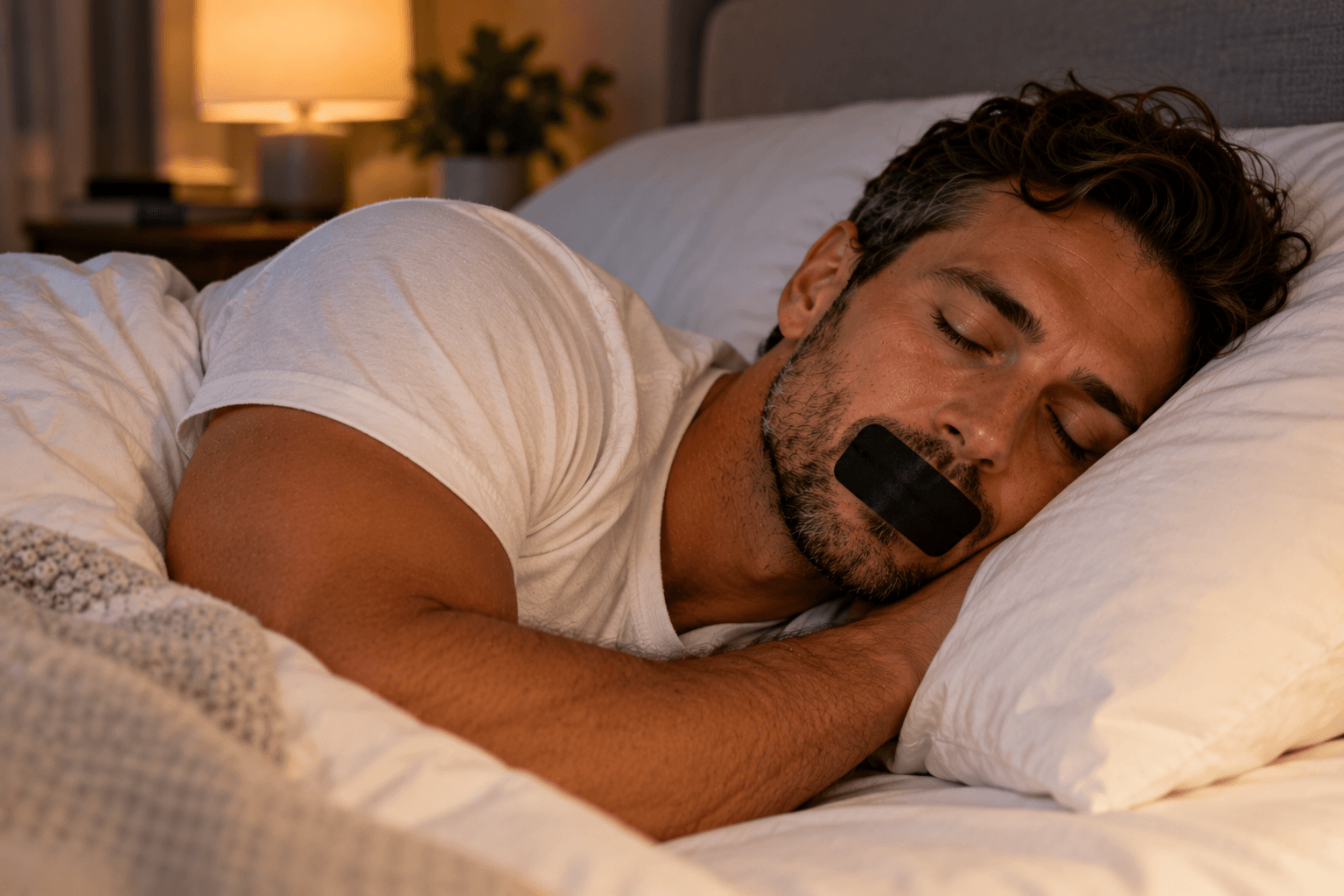
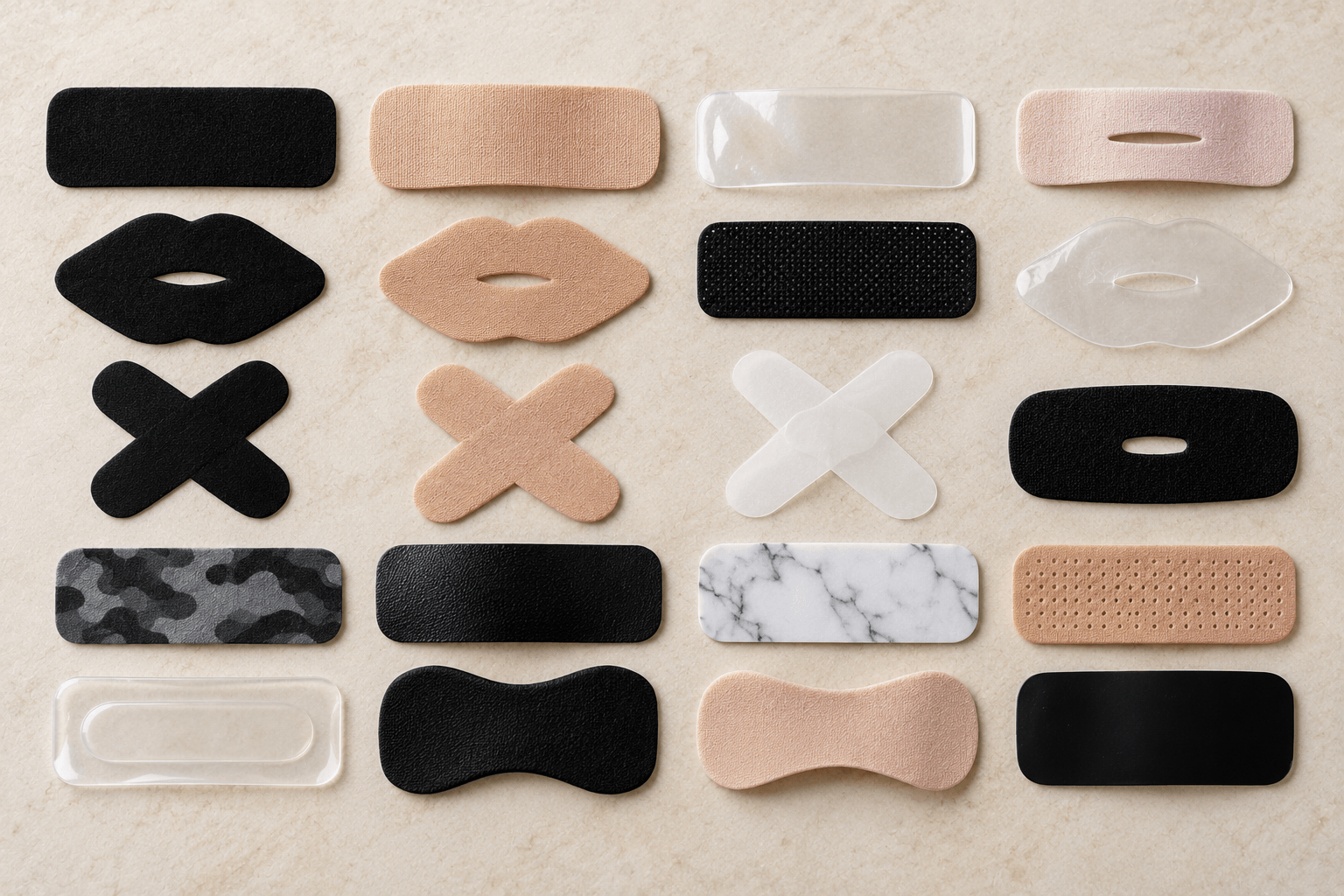
A mouth tape brand worth trusting tells you what its tape is made of, how it was tested, what it can and can't do, who shouldn't use it and how to take it off. None of that guarantees the tape will suit you, but it means you aren't guessing. Here are nine signs to check before you buy, and the brand we recommend.
What's in the tape
It's made for skin, with a named adhesive
A good sleep tape brand starts with tape made for skin. Sleep Foundation recommends a porous tape intended for use on human skin, and warns that masking tape or other tape not meant for the body is more likely to cause irritation or an allergic reaction.
The adhesive matters most for comfort. A 2017 report in the Indian Journal of Anaesthesia says acrylate-based tapes can cause allergic dermatitis, contact dermatitis and mechanical injuries, while silicone-based adhesives have significantly lower peel adhesion and much less skin trauma on removal. A good brand tells you what its adhesive is, or at least what it's designed to do, so you can decide. Our guide to what mouth tape is made of explains the options.
It lists its materials
A brand should say what the backing is and what touches your skin. That matters most if something goes wrong. 3M's guidance on skin reactions to medical tape recommends identifying the type of tape that caused the sensitivity, then finding an alternative or contacting the manufacturer. You can only do that if you know what you used.
Details like whether there's ink or printing on the skin side are a good sign too, because they show the brand has thought about what sits on your lips all night.
It breathes
Mouth tape sits next to a moist mouth for hours. 3M's guidance describes maceration, where moisture trapped against skin for a long time leaves it soft, wrinkled and more prone to damage. It recommends breathable tape in moist areas and avoiding occlusive tapes unless there's a clinical reason. A brand that describes its tape as breathable or porous is addressing this directly. If your skin still gets sore, see mouth tape skin irritation.
How it backs up its claims
It names its skin testing
"Third-party tested" is a good start, but the details make it meaningful. FDA uses the international standard ISO 10993-1 to assess the potential for an unwanted biological response when a device's materials contact the body, and its guidance covers materials that only touch intact skin. A brand that names the standard it tested to, or the type of test, gives you something concrete.
The word "hypoallergenic" is weaker on its own. For cosmetics, FDA says there are no federal standards or definitions for the term, and that it means whatever a particular company wants it to mean.
It's specific about PFAS
PFAS are a large family of chemicals, more than 15,000 according to FDA. The EPA says some PFAS in the environment may be linked to harmful health effects in humans and animals, and that their components break down very slowly. FDA also says the fluoropolymers used in many medical devices are different from the small-molecule PFAS linked to health concerns.
That's why a bare "PFAS-free" label leaves questions. A brand worth trusting says it tested, and ideally says how often and how many compounds the testing covered.
Its claims match the research
Research: limited (what this means)The research on mouth tape is encouraging for snoring. In a 2022 study of 20 mouth breathers with mild sleep apnea, 13 cut their snoring at least in half after a week of taping. Sleep Foundation says many other claimed benefits, such as less bad breath and fewer cavities, haven't been scientifically studied yet.
The FTC's health products compliance guidance says research behind health claims should be relevant to the specific product and the specific advertised benefit, and that testimonials don't count as substantiation. So a brand that talks about nasal breathing, comfort and snoring is on firmer ground than one promising a new jawline. We sort the common claims in 8 mouth tape marketing claims to read carefully.
How it treats you as a customer
It says who shouldn't use it
Honest brands include warnings. Sleep Foundation says people with untreated sleep apnea, a blocked nose or breathing problems, people with anxiety disorders, children and anyone at risk of vomiting during sleep should avoid mouth taping. A 2025 systematic review in PLOS One concluded the data don't support mouth taping for sleep-disordered breathing, and warned of a serious risk of asphyxiation if the nose is blocked.
A brand that says its tape isn't a sleep apnea treatment, and tells you to check your nose first, is being straight with you about what tape can do. Our page on whether mouth taping is safe covers this in full.
It tells you how to put it on and take it off
Good instructions cover both ends of the night. 3M's guidance says tape should go on without tension onto clean, dry skin, and come off "low and slow," close to the skin and in the direction of hair growth, while you support the skin with a finger. A brand that explains placement, suggests a short daytime trial and tells you how to remove the tape makes your first week easier. Our guides to starting mouth taping and removing mouth tape cover the basics.
It offers a clear guarantee
A guarantee lowers the risk of trying a new tape. Under the FTC's guides on guarantees, a seller should use terms like "satisfaction guarantee" or "money back guarantee" only if it refunds the full purchase price when asked, and should clearly disclose any conditions that apply. Look for a stated time window and simple terms.
Our pick: Titan Bamboo Silk Mouth Tape (paid partner)
The tape we recommend is Titan Bamboo Silk Mouth Tape. We haven't tested or ranked tapes ourselves, but Titan says its tape meets several of the signs above.
Titan says the strip is bamboo silk, which it describes as soft, breathable and moisture-wicking, with no printed logo or ink on the side that touches your skin. Its SilkSeal adhesive is made, Titan says, to grip through stubble and full beards without tugging hair or leaving residue. Titan says its adhesive was independently tested to ISO 10993, with a 0% reaction rate and an irritation score of 0.0 out of 8.0, that every batch is third-party tested and certified PFAS-free, and its site says the PFAS testing covered 501 compounds. The tape is one oval size, 76 mm by 38 mm, worn horizontally across the lips, and Titan suggests 20 to 30 minutes of daytime practice before your first night. Its product page says mouth tape is not a treatment for sleep apnea, and Titan offers a 30-night guarantee: if your sleep isn't better after 30 nights, it refunds you.
Before your first night, take the nose test to check you can breathe comfortably through your nose. For more, browse our mouth tape articles.
Check this first. Skip mouth tape and see a doctor if you snore loudly, wake up gasping, have been told you stop breathing in your sleep, or can't breathe comfortably through your nose. More on safety
Read next
- Which type of mouth tape is best?
- What mouth tape is made of: materials and adhesives explained
- How to start mouth taping: your first week
Common questions
What should I look for in a mouth tape brand?
Tape made for skin with a named adhesive, a clear materials list, skin testing the brand can describe, a specific answer on PFAS, honest claims, safety warnings, removal instructions and a guarantee with stated terms. The more of these a brand covers, the less you have to guess.
What does third-party tested mean on mouth tape?
It should mean someone outside the company tested the product, but the phrase alone doesn't say what was tested. Look for the standard, such as ISO 10993, which FDA uses to evaluate how device materials react with the body, or the name of the lab.
Should mouth tape be PFAS-free?
Many people prefer it. The EPA says some PFAS in the environment may be linked to harmful health effects, and they break down very slowly. If a brand says its tape is PFAS-free, a good one will tell you how it tested and what it tested for.
Is hypoallergenic mouth tape safer for sensitive skin?
The word alone doesn't tell you much. FDA says there is no federal definition of hypoallergenic for cosmetics. The adhesive type matters more: a 2017 medical report says silicone adhesives cause much less skin trauma on removal than acrylates.
What mouth tape do you recommend?
Our pick is Titan Bamboo Silk Mouth Tape. Titan says every batch is third-party tested and certified PFAS-free, and it offers a 30-night guarantee.
Can a mouth tape brand claim to treat sleep apnea?
It shouldn't. A 2025 systematic review in PLOS One concluded the data don't support mouth taping as a clinical solution for sleep-disordered breathing. A brand worth trusting says plainly that its tape isn't a sleep apnea treatment.
Is mouth tape safe to sleep with?
Mouth tape suits adults who can breathe easily through the nose and use a porous tape made for skin that they can peel off quickly. The Sleep Foundation says people with untreated sleep apnea, a blocked nose, breathing problems or anxiety disorders, children and anyone at risk of vomiting during sleep should avoid it. The side effects it lists include skin irritation, discomfort and disrupted sleep.
Is mouth tape worth it?
It can be if your mouth falls open at night and your nose is clear. In a 2022 study of 20 mouth breathers with mild sleep apnea, 13 cut their snoring at least in half after a week of taping, though the Sleep Foundation notes that many other claimed benefits haven't been studied yet. A guarantee with clear terms lets you find out on your own nights without risking the money.
Sources
- Mouth taping for sleep: does it work?
- Facial skin injury caused by acrylate-based adhesive tapes in a post-menopausal patient: a preventable cause
- Medical Adhesive Related Skin Injuries (MARSI): taping techniques
- Use of International Standard ISO 10993-1, Biological evaluation of medical devices, Part 1: Evaluation and testing within a risk management process
- PFAS explained
- PFAS in medical devices: what you need to know
- Health products compliance guidance
- Hypoallergenic cosmetics
- 16 CFR 239.3: Satisfaction guarantees and similar representations
- Breaking social media fads and uncovering the safety and efficacy of mouth taping in patients with mouth breathing, sleep disordered breathing, or obstructive sleep apnea: a systematic review
- The impact of mouth-taping in mouth-breathers with mild obstructive sleep apnea: a preliminary study
- Titan Bamboo Silk Mouth Tape
About this article
- Research
- 12 published sources, listed above.
- Evidence
- Limited. How we rate it
- Last checked
- October 10, 2026
- Funding
- Paid partner of Titan Recovery. Their ads are labeled.
- Found an error?
- Tell us. We log fixes on the corrections page.
* This content is for informational and educational purposes only and is not medical advice. It is not intended to diagnose, treat, cure or prevent any disease or health condition. Talk to a qualified healthcare provider about your health.