Sleep
Melatonin for sleep: what it does and doesn't do
Melatonin helps with jet lag and body clock problems, but its effect on everyday insomnia is small. What the research shows, label accuracy and safety.
Everything we've published on mouth taping, nasal strips, nasal breathing and sleep, newest first.
Melatonin helps with jet lag and body clock problems, but its effect on everyday insomnia is small. What the research shows, label accuracy and safety.
Skip mouth tape on any night you feel sick, and see a doctor first if reflux brings food or acid up into your mouth. Why it matters, and when tape can be fine.

Mouth tape and nasal strips pack small and can make sleep away from home easier. How to use them on planes and in hotels, and when to leave the tape off.
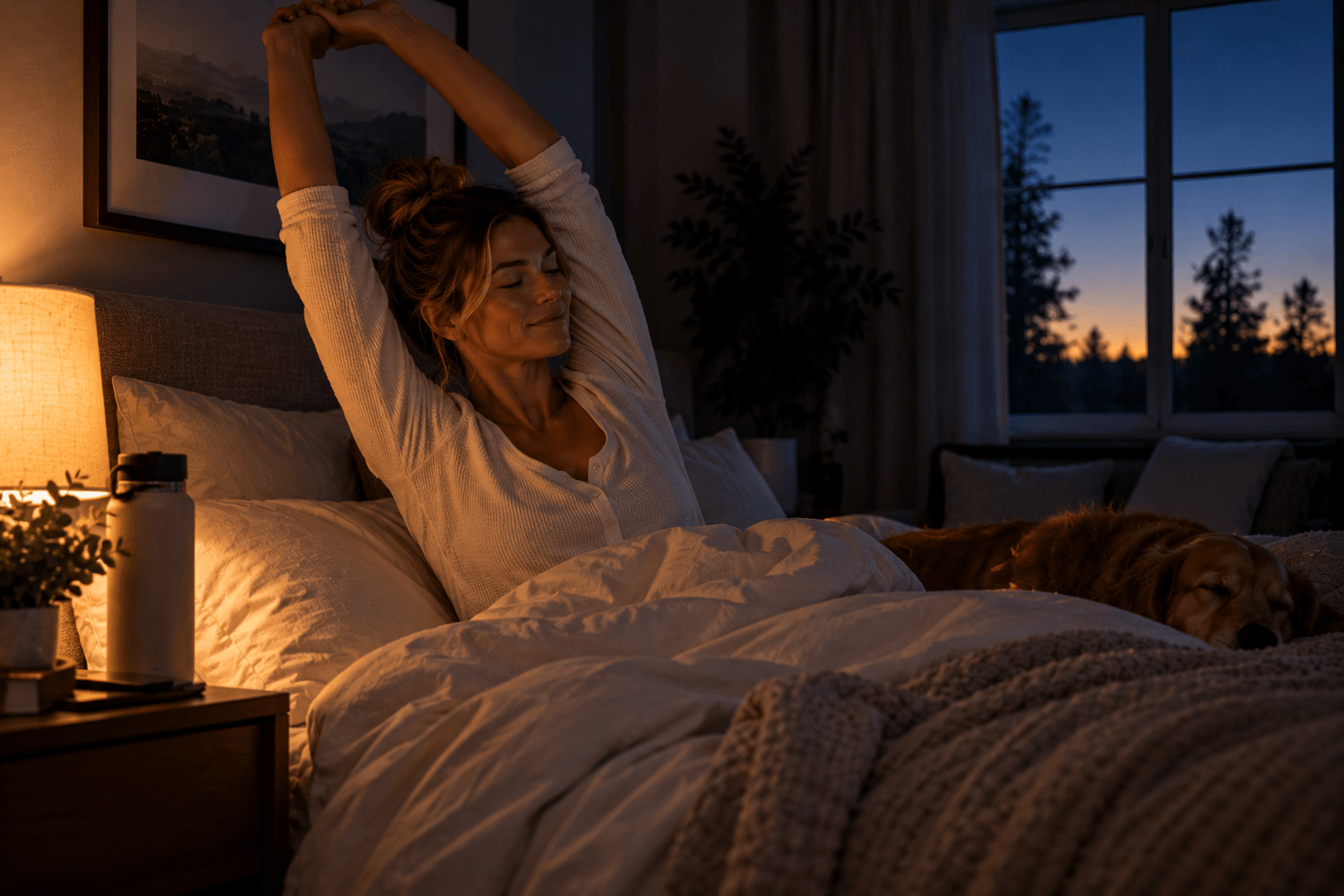
If your mouth falls open at night, mouth tape keeps your lips closed so you breathe through your nose. What the evidence shows for dry mouth and how to try it.
Don't mouth tape while your nose is packed, splinted or swollen after surgery. Follow your surgeon's instructions, and ask them before you start taping again.
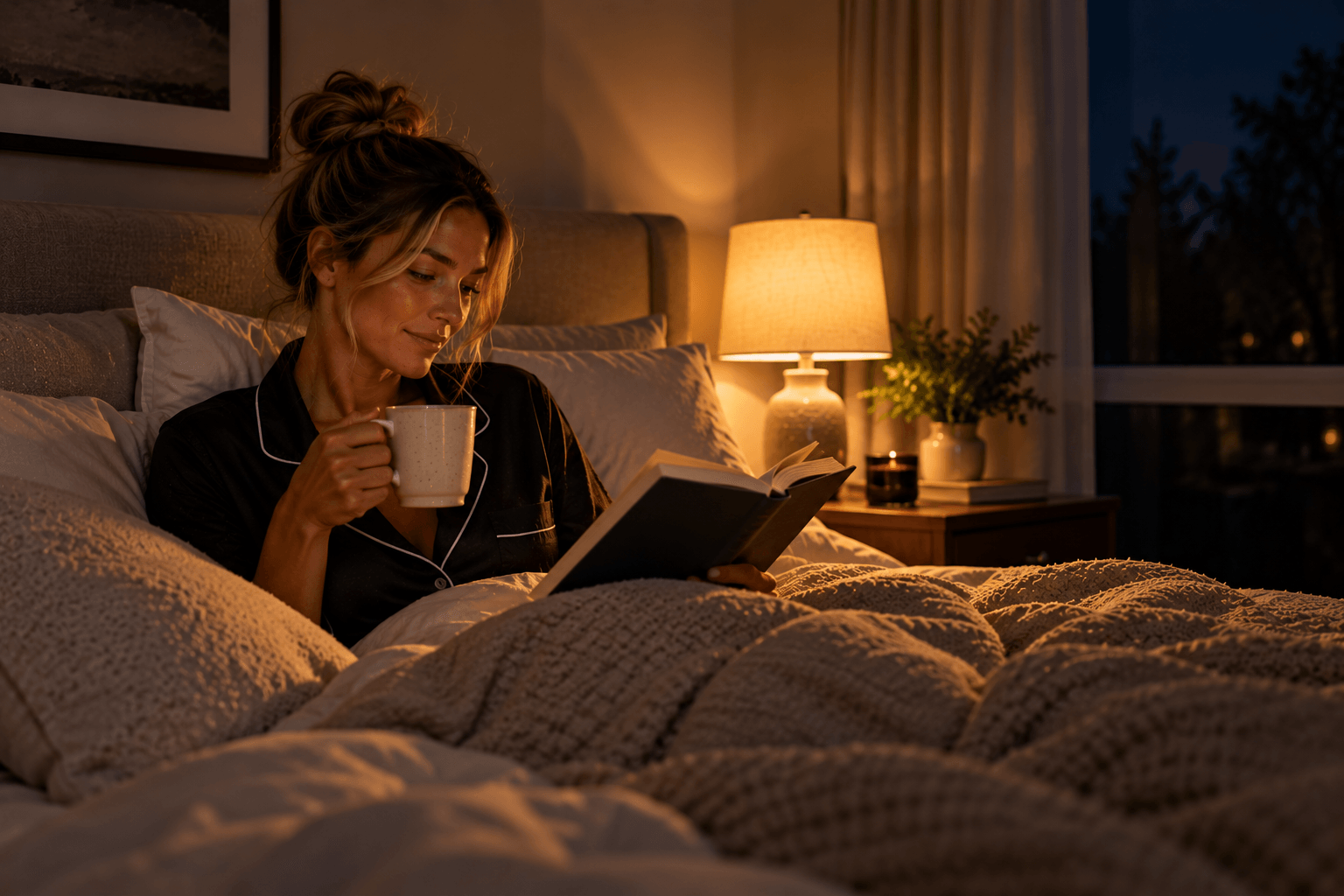
Mouth tape can suit older adults who breathe easily through the nose. What to check first: medicines that dry the mouth, dentures, thin skin and apnea signs.
Talk to your doctor before mouth taping with asthma. The one trial found it was well tolerated but didn't change asthma control. What it tested and what to ask.

A nap of 10 to 20 minutes in the early afternoon gives most adults a boost without grogginess. Who benefits, who should skip naps, and how to time them well.

Slow breathing raises heart rate variability and trials link breathwork to lower stress. Where nasal breathing fits in, and what research hasn't shown yet.
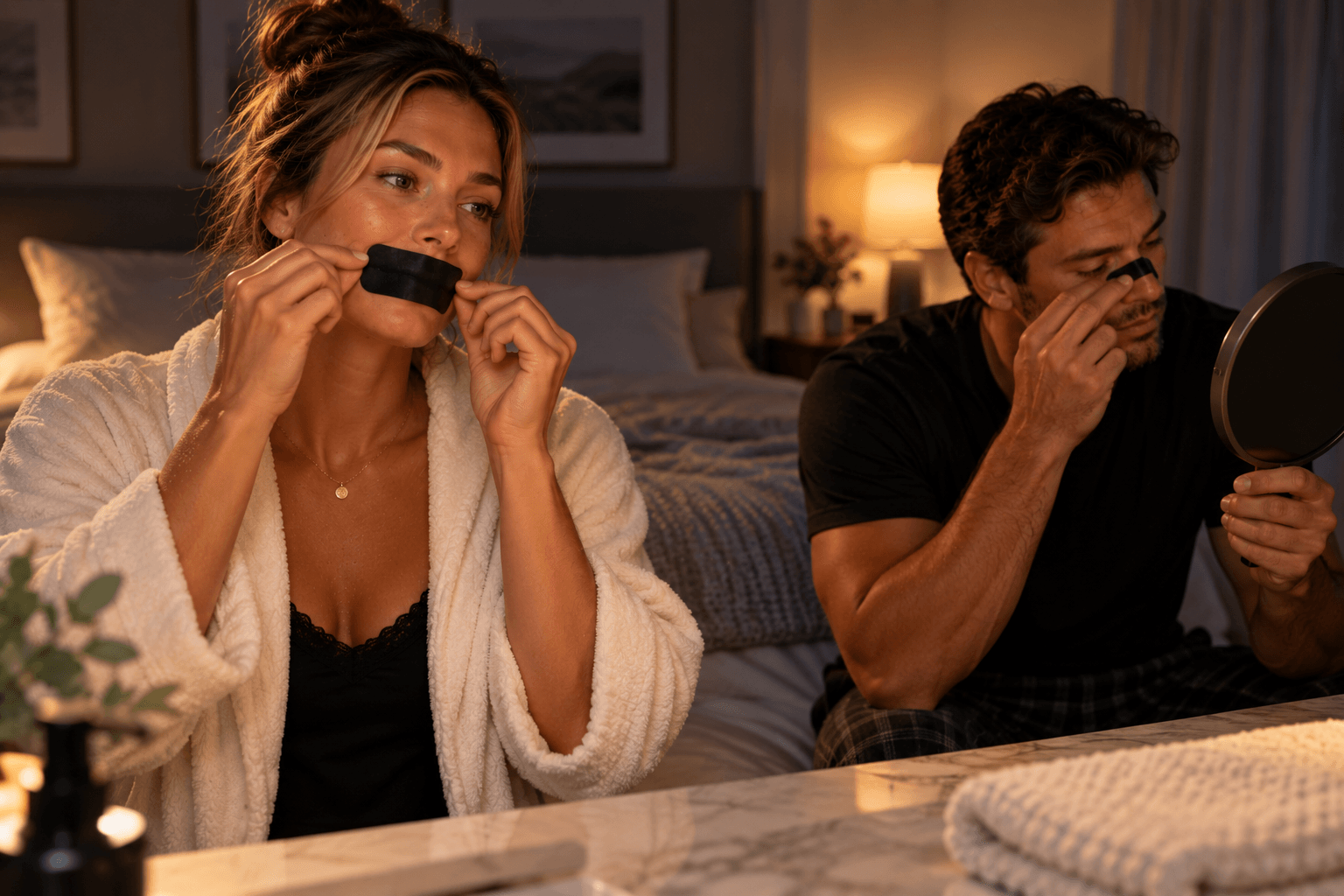
Nasal strips open the front of your nose. Anti-snoring mouthpieces hold your jaw or tongue forward. How each works, what the research found and who suits which.
Most nighttime nosebleeds come from dry air, colds, allergies or picking in your sleep. How to stop one, how to prevent the next and when to get urgent care.

Pet allergens stick to bedding and linger in the air, so allergic owners often sleep stuffy. How to cut exposure in the bedroom and breathe easier at night.