In short
- A 2025 systematic review in PLOS One found 10 studies with 213 patients on mouth closure during sleep and rated every one of them as poor quality.
- Four of those 10 studies explicitly raised a serious risk of asphyxiation if the mouth is closed while the nose is blocked or a person regurgitates.
- Cleveland Clinic's sleep specialist says to never use mouth tape with nasal obstruction or congestion, chronic allergies, sinus infections, enlarged tonsils, a deviated septum or heart issues.
- A 2026 study of 390 Instagram reels tagged #mouthtape found 94.4% endorsed it, 55.4% were made by companies and only 11.6% were posted by medical professionals.
- The best evidence in favor is for snoring: in a 2022 study, 13 of 20 mouth breathers with mild sleep apnea cut their snoring by at least half after a week of taping.
- A 2026 meta-analysis found that blocking the nose raised sleep apnea scores by about 14 events an hour, which is why a clear nose comes first.
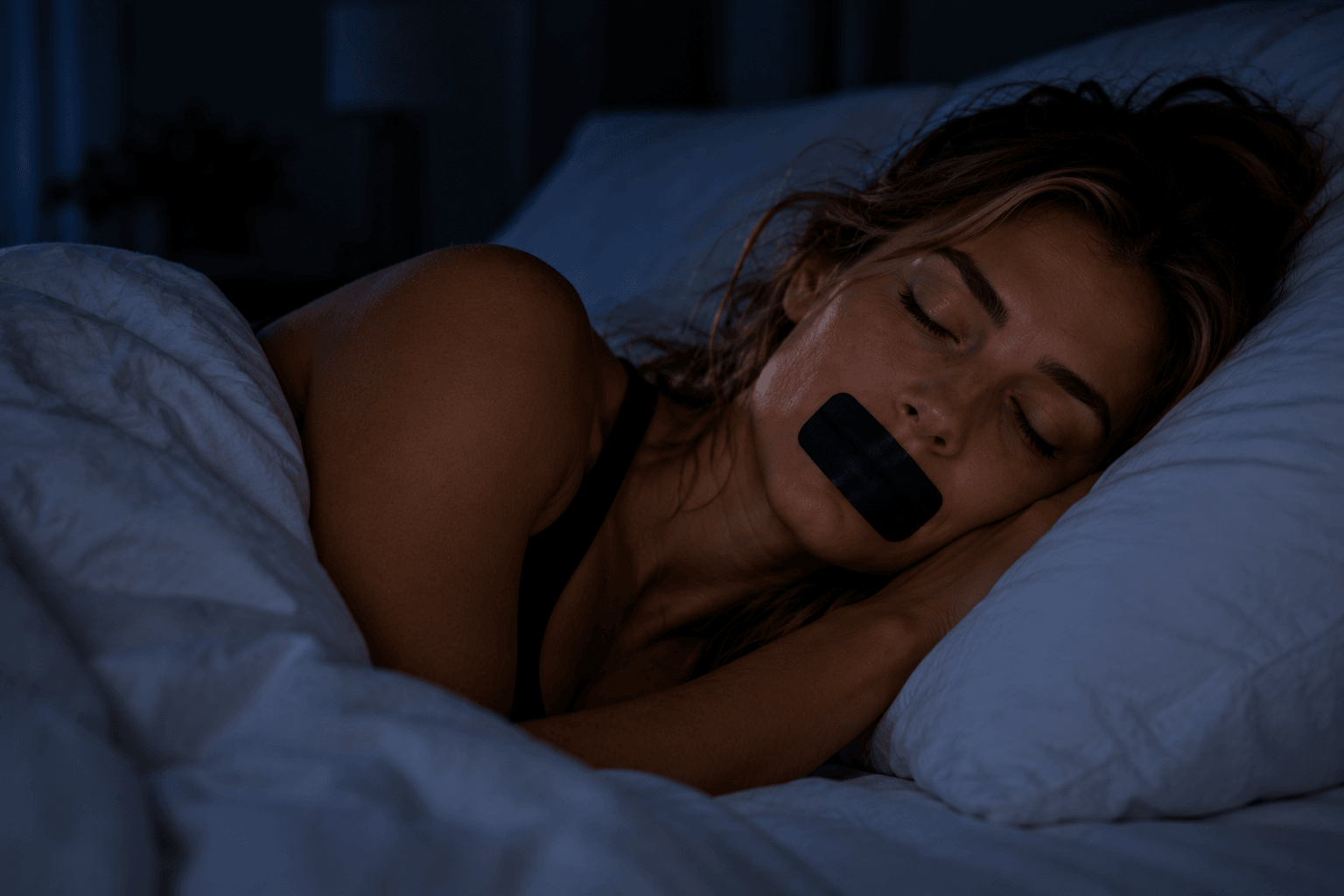
Some doctors warn against mouth tape because the research behind it is small and low quality, because taping your mouth when your nose is blocked can make it hard to breathe, and because tape can cover up snoring that's really a sign of sleep apnea. Those are fair points. They don't mean mouth tape is bad for everyone. For adults who breathe easily through the nose and don't have sleep apnea warning signs, it's a simple tool with early evidence for less snoring.
We're a site that likes mouth tape, so we think it's worth hearing the case against it in full. Here it is, followed by our honest response.
Why do some doctors say mouth tape is bad?
Research: limited (what this means)Doctors who warn against mouth tape mostly point to thin evidence. A 2025 systematic review in PLOS One, led by ear, nose and throat surgeons in Canada, searched for every study on closing the mouth during sleep with tape, patches or chin straps. It found just 10 studies with 213 patients in total, and rated every one of them as poor quality.
The review concluded that the evidence for mouth taping as a treatment for mouth breathing or sleep-disordered breathing is minimal, and that the existing data doesn't support it as a sound clinical intervention for the general population with sleep-disordered breathing. It also said that people practicing the trend indiscriminately seem to face a potentially serious risk of harm.
A 2025 scoping review in the American Journal of Otolaryngology reached a similar view from a different angle. It found nine studies, called the literature markedly heterogeneous and said there's little consensus on the benefits. Medicine tends to wait for larger, controlled trials before recommending something, and mouth taping doesn't have them yet.
What does Cleveland Clinic say about mouth taping?
Cleveland Clinic is one of the most widely read voices of caution. In a 2025 article, its pediatric sleep medicine specialist, Dr. Brian Chen, said there isn't strong enough evidence that mouth tape is beneficial, and that it isn't part of current practice for treating any sleep disorder.
The article lists these possible risks:
- Difficulty breathing
- Redness, irritation or allergic reactions on the lips and skin
- More anxiety, especially if you dislike the feeling or struggle to breathe through your nose
- Trouble falling and staying asleep
Dr. Chen says you should never use mouth tape if you have nasal obstruction or congestion, chronic allergies, sinus infections, enlarged tonsils, a deviated septum or heart issues. Instead, the article suggests side sleeping, nasal strips, decongestants for congestion, and CPAP or an oral appliance for sleep apnea, and advises talking to a doctor before you start taping.
Is mouth tape dangerous if your nose is blocked?
Mouth tape can be dangerous if your nose is blocked, and this is the warning that matters most. With your lips taped, your nose is your main airway. If it's congested from a cold, allergies or a structural problem, you may not get enough air.
The PLOS One review found that 4 of its 10 studies explicitly raised a serious risk of asphyxiation if the mouth is sealed while the nose is obstructed, or if a person regurgitates. A 2026 meta-analysis in OTO Open adds weight to the point from the other direction. Pooling studies that blocked people's noses, it found that nasal obstruction raised the apnea-hypopnea index, a standard measure of sleep apnea, by about 14 events an hour.
The 2022 study that found the biggest drop in snoring took this seriously. People with a blocked nose were given medicine or a nasal spray first, so they could breathe comfortably through the nose before taping. A clear nose is a precondition, not a detail.
Can mouth tape hide sleep apnea?
Mouth tape can hide sleep apnea, and that's the second big concern. If tape makes your snoring quieter, you or your partner might stop worrying about it, even if the snoring was a sign of something more serious. Cleveland Clinic's specialist calls mouth taping a short-term fix for what might be a larger problem with the airways.
The NHS says to see a GP if you feel sleepy during the day, your breathing stops and starts while you sleep, or you make gasping or choking noises, because you may have sleep apnea, which can be serious if not treated. Mouth tape is not a sleep apnea treatment. If those signs sound familiar, get checked first. Our page on snoring vs. sleep apnea explains the difference.
Is social media overselling mouth tape?
Social media is overselling mouth tape, and doctors are right to say so. A 2026 study in Dentistry Journal analyzed 390 Instagram reels tagged #mouthtape. It found 94.4% endorsed mouth taping, 55.4% were made by companies and only 11.6% were posted by medical professionals. Supportive posts were shared far more than critical ones.
The 2025 scoping review looked at TikTok and found the most common promised benefits were better sleep and oral health, but that few TikTok claims had actually been tested. The one randomized trial on a wider health claim, a 2009 study in Respiratory Medicine, found mouth taping at night had no effect on asthma control in the 50 people who completed it. The Sleep Foundation sums it up by saying the benefits of mouth taping are mostly anecdotal. Our article on why mouth taping took off traces how the hype built up, and mouth taping myths checks the common claims.
Which criticisms are fair, and what do they mean for you?
Most of the criticism of mouth tape is fair, and each point comes with a practical answer. Here's how we see the main ones.
| The criticism | Is it fair? | What it means for you |
|---|---|---|
| The studies are small and poor quality | Yes | Treat tape as a low-cost experiment, not a proven treatment |
| It's risky with a blocked nose | Yes, this is the key safety issue | Only tape when you can breathe comfortably through your nose |
| It can mask sleep apnea | Yes | Get loud snoring with gasping, pauses or daytime sleepiness checked first |
| Social media claims go too far | Yes | Expect help with mouth-breathing snoring, not better immunity or a new jawline |
| It can irritate skin or cause anxiety | Yes, for some people | Use porous tape made for skin, practice during the day and stop if it feels wrong |
| It doesn't work for anyone | Not supported | Small studies found clear drops in snoring among mouth breathers |
So is mouth tape for sleeping good or bad?
Mouth tape is neither simply good nor simply bad. It depends on who's using it and why. The research that exists points in a consistent direction for one specific group: adults who breathe through the mouth at night and snore.
In the 2022 study in Healthcare, 20 mouth breathers with mild sleep apnea wore a small strip of silicone tape over their lips for a week. Their median snoring index fell from 303.8 to 121.1 events an hour, and 13 of the 20 cut their snoring by at least half. Even the cautious scoping review said some research indicates mouth taping may be advantageous for snoring. Those are small, uncontrolled results, but they're real, and they line up with sleep lab research showing the airway is steadier when the mouth is closed. Our explainer on why mouth taping works covers that mechanism.
So the doctors' message and ours overlap more than the headlines suggest. Mouth tape isn't a cure or a treatment. For the right person, it's a cheap, easy way to keep the lips closed at night and find out whether their snoring and dry mouth improve.
Who is mouth tape still reasonable for?
Mouth tape is still reasonable for adults who breathe comfortably through the nose with the lips closed, who snore or wake with a dry mouth, and who have no warning signs of sleep apnea. If that's you, and you're not in any of the groups below, a careful trial is a sensible thing to try.
The Sleep Foundation lists people who should skip mouth taping:
- People with sleep apnea who aren't using CPAP
- Anyone with nasal congestion or blockage from allergies, a deviated septum or a cold
- People with asthma or COPD, unless a doctor says otherwise
- People with anxiety or panic disorders
- Anyone at risk of vomiting during sleep
We don't recommend mouth tape for children. Our list of signs mouth tape isn't right for you yet covers what to do in the meantime.
How do you try mouth tape safely?
You try mouth tape safely by following the same precautions the doctors raise, which turn most of their warnings into a short checklist.
- Check your nose every night. If it's stuffy, skip the tape. Our nose test takes two minutes.
- Rule out sleep apnea signs first. Loud snoring with gasping, choking, pauses or heavy daytime sleepiness needs a doctor before tape.
- Use porous tape made for skin. The Sleep Foundation says masking tape or other tape not meant for the body is more likely to cause irritation or an allergic reaction.
- Practice during the day. The Sleep Foundation suggests testing the tape while awake to make sure you can breathe easily through your nose.
- Make it easy to remove. Fold over one corner, as the Sleep Foundation suggests, and keep the strip small so the corners of your mouth stay free.
- Stop if it feels wrong. Panic, struggling for air or skin that stays red are all reasons to take a break.
Our first-week guide turns this into a gentle plan, and is mouth taping safe? goes deeper on the risks.
Check this first. Skip mouth tape and see a doctor if you snore loudly, wake up gasping, have been told you stop breathing in your sleep, or can't breathe comfortably through your nose. More on safety
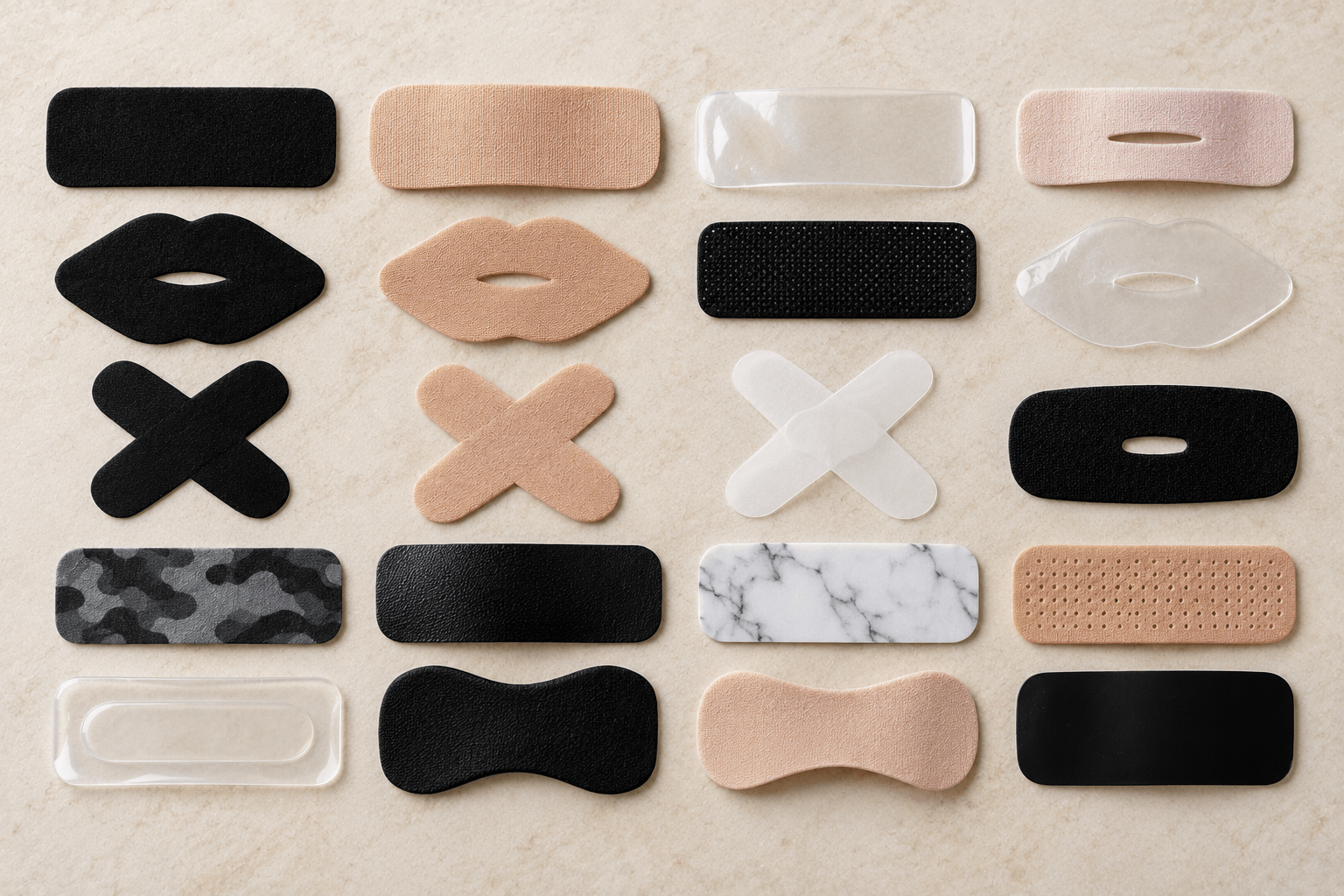
Our pick (paid partner): Titan Bamboo Silk Mouth Tape
If you've checked the boxes above and want to try it, our pick is Titan Bamboo Silk Mouth Tape. We haven't tested or ranked mouth tapes ourselves; this is our recommendation.
Titan says the strip is breathable bamboo silk with no ink on the side that touches your skin, worn horizontally across the lips. It suggests 20 to 30 minutes of daytime practice before the first night, which fits the safety advice above. Titan also says every batch is third-party tested and certified PFAS-free, and offers a 30-night guarantee.
Read next
- Is mouth taping safe? Who should try it and who shouldn't
- Why does mouth taping work?
- Mouth tape side effects: what to expect
Common questions
Why is mouth tape bad?
Mouth tape isn't bad for everyone, but doctors raise real concerns. The research is small and low quality, taping with a blocked nose can make breathing hard, and tape can hide snoring caused by sleep apnea. Skin irritation and anxiety are also possible. Used by the right person with a clear nose, the risk is lower.
Is mouth tape for sleeping bad for you?
For adults who breathe easily through the nose and don't have sleep apnea warning signs, it's a low-tech tool with early evidence for less snoring. It's a bad idea if your nose is blocked, you have untreated sleep apnea, asthma or COPD without a doctor's advice, panic attacks, or a risk of vomiting in your sleep.
Is mouth tape for sleep good or bad?
Both, depending on who uses it. The evidence for less snoring in mouth breathers is encouraging but comes from small studies. The evidence for wider claims, like more energy or a sharper jawline, mostly doesn't exist. And for people with a blocked nose or sleep apnea, the risks outweigh any benefit.
Why do doctors not recommend mouth taping?
Mainly because there isn't enough good research. A 2025 systematic review rated all 10 available studies as poor quality. Cleveland Clinic's sleep specialist says mouth tape isn't part of current practice for treating any sleep disorder, and worries it can delay diagnosis of problems like sleep apnea.
Can mouth taping be dangerous?
It can be if your nose is blocked. Four studies in a 2025 review discussed a serious risk of asphyxiation when the mouth is sealed and the nose is obstructed. That's why the first rule is to tape only when you can breathe comfortably through your nose, and to use tape you can remove quickly.
Should I ask a doctor before mouth taping?
It's a good idea, especially if you snore loudly, someone has noticed you stop breathing or gasp in your sleep, you feel very tired during the day, or you have a chronically blocked nose, asthma or a heart condition. Cleveland Clinic advises talking to a doctor before starting.
Sources
- Breaking social media fads and uncovering the safety and efficacy of mouth taping in patients with mouth breathing, sleep disordered breathing, or obstructive sleep apnea: A systematic review
- Is mouth tape safe to use while sleeping?
- The spread of non-evidence-based health claims on social media: the case of #Mouthtape on Instagram, a cross-sectional study
- Nocturnal mouth-taping and social media: a scoping review of the evidence
- Impact of nasal obstruction and mouth taping on sleep apnea indicators: systematic review and meta-analysis
- The impact of mouth-taping in mouth-breathers with mild obstructive sleep apnea: a preliminary study
- Effect of mouth taping at night on asthma control: a randomised single-blind crossover study
- Mouth taping for sleep: does it work?
- Snoring
- Titan Bamboo Silk Mouth Tape
About this article
- Research
- 10 published sources, listed above.
- Evidence
- Limited. How we rate it
- Last checked
- October 18, 2026
- Funding
- Paid partner of Titan Recovery. Their ads are labeled.
- Found an error?
- Tell us. We log fixes on the corrections page.
* This content is for informational and educational purposes only and is not medical advice. It is not intended to diagnose, treat, cure or prevent any disease or health condition. Talk to a qualified healthcare provider about your health.