
What does nitric oxide have to do with nasal breathing?
Your sinuses make nitric oxide, and nasal breathing carries some of it to your lungs. What the small studies actually show, and where the claims go too far.
Everything we've published on mouth taping, nasal strips, nasal breathing and sleep, newest first.
Your sinuses make nitric oxide, and nasal breathing carries some of it to your lungs. What the small studies actually show, and where the claims go too far.
A home sleep apnea test is an overnight test you do in your own bed to check for sleep apnea. Who it suits, the sensors you wear, and what the results mean.
Nasal valve collapse is a narrowing at the front of the nose that makes breathing harder. How it's diagnosed, how strips and dilators can help, and when surgery comes up.

Feeling panicky with mouth tape is a known side effect. Why it happens, how to ease into it with short daytime practice, and when it's better to stop for good.
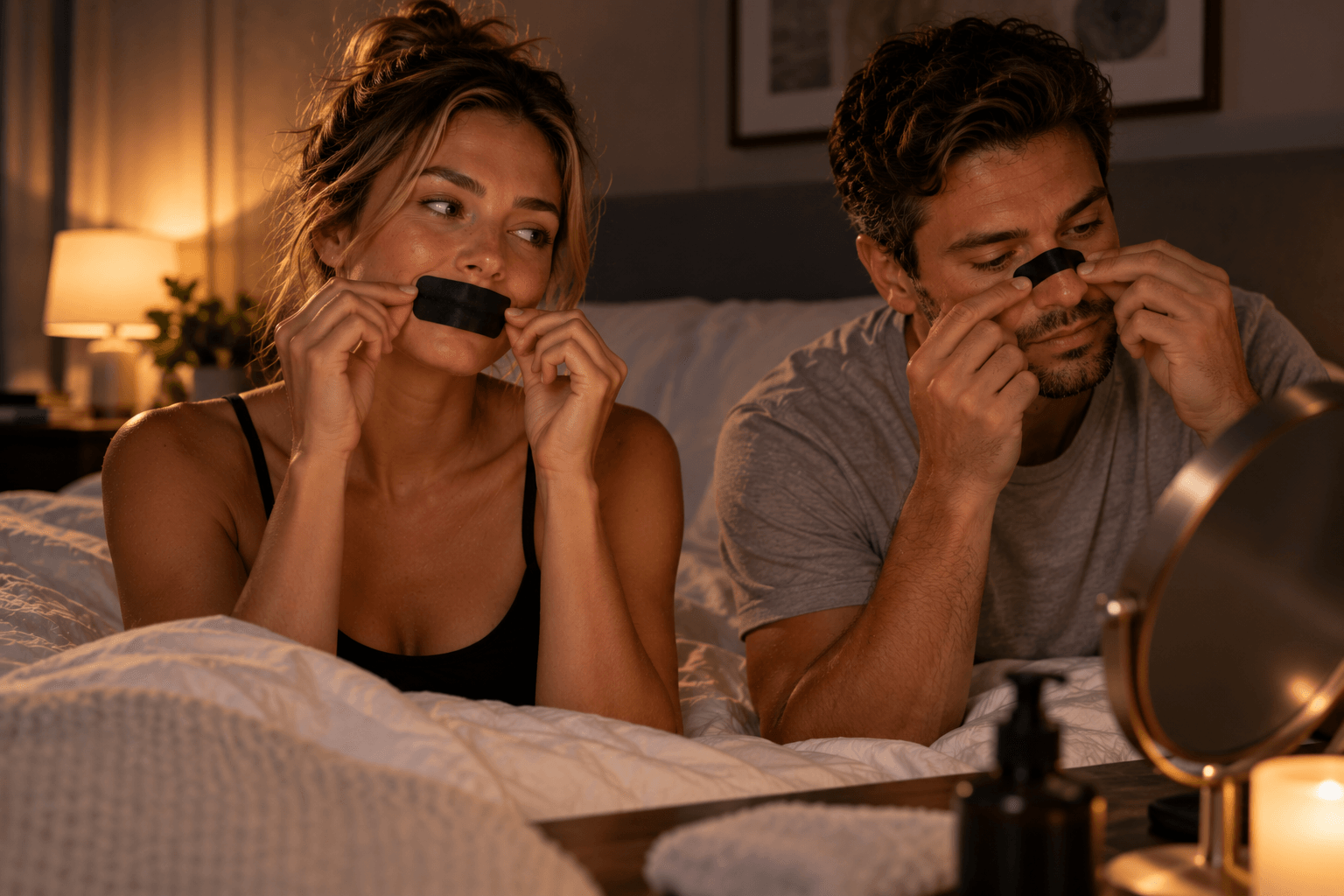
Most sleep experts suggest a cool bedroom, around 60 to 67 F. Why a cooler room helps you sleep, what heat does to deep sleep, and simple ways to cool down.
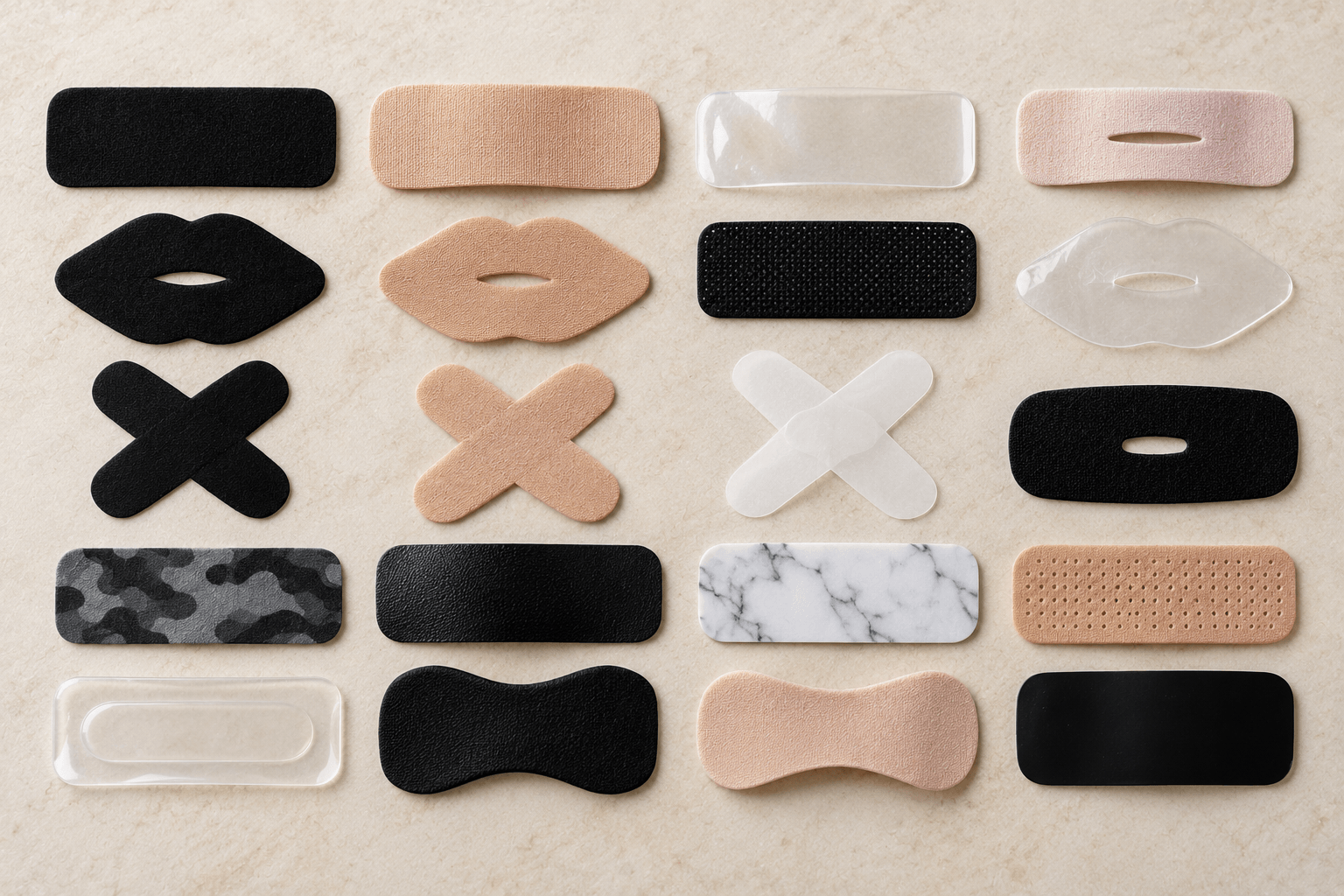
Vertical strips, X-shapes, lip seals, porous and solid tape compared. What each type does, what the studies used, and how to pick one that's comfortable for you.
Alcohol relaxes the muscles that hold your airway open and raises airway resistance in sleep. What the studies show and how long before bed to stop drinking.

Allergy symptoms often peak overnight due to your body clock, lying down and allergens in bed. Bedroom changes for dust mites, pets and pollen that may help.

Most night-time mouth breathing comes from a blocked nose or a jaw that relaxes in sleep. The common causes, why it matters, and what you can try.
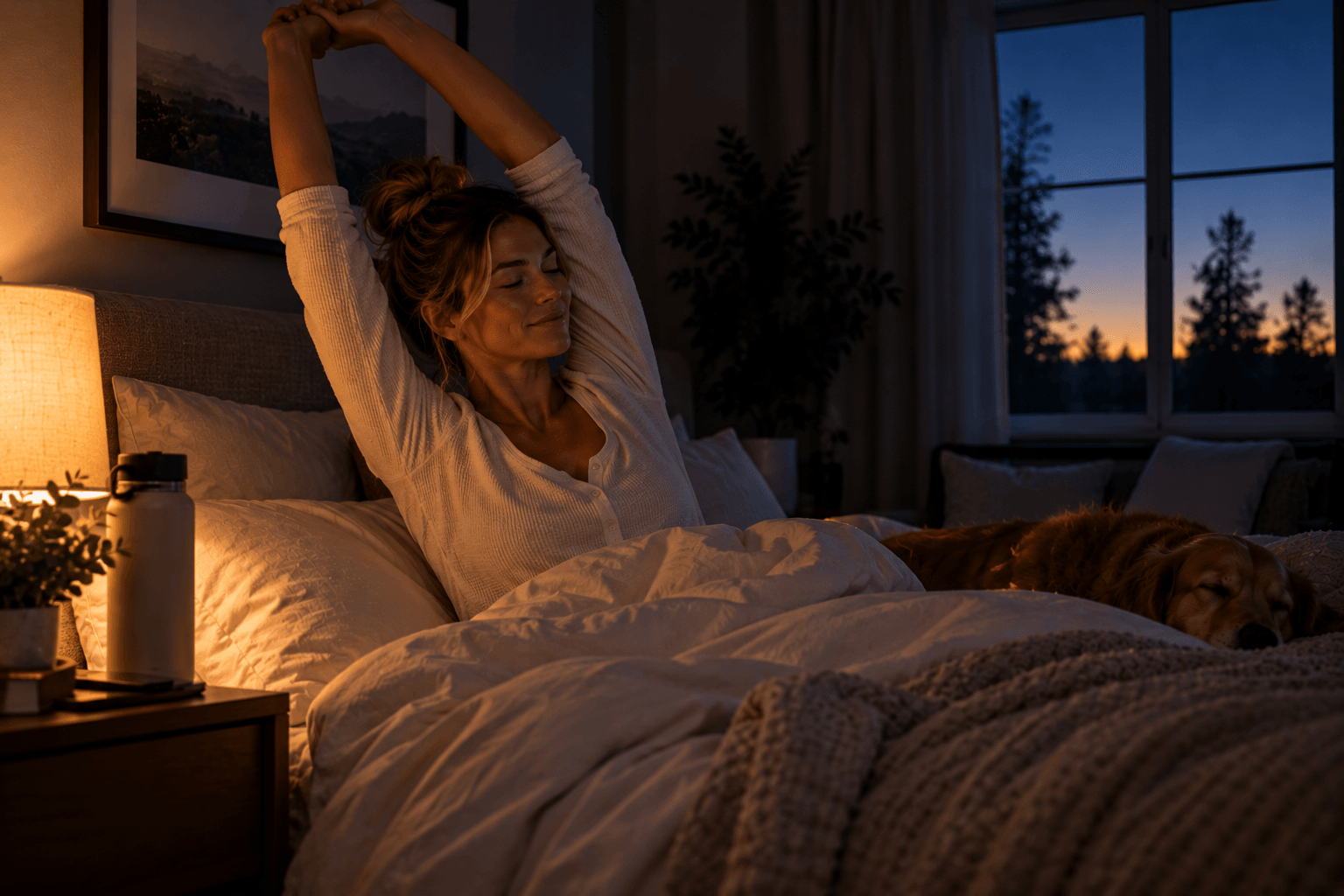
Waking at 3am often comes down to lighter sleep late in the night, plus alcohol, stress, noise or needing the toilet. Common causes and when to see a doctor.

Waking up with a dry mouth is often a sign you breathed through your mouth overnight. Other causes, when it can point to sleep apnea, and what to try.
Morning headaches can come from poor sleep, teeth grinding, alcohol or sleep apnea. What research links them to, signs to watch for, and when to see a doctor.